
Nkosazana Daughter’s Rising Musical Journey
Nkosazana Daughter has become one of the most recognizable voices in modern South African music.









Nkosazana Daughter has become one of the most recognizable voices in modern South African music. Emerging during the explosive rise of amapiano, she quickly distinguished herself through her emotional vocals, spiritual melodies, and deeply expressive performances. Her music blends rhythm and soul in a way that resonates across generations, making her a standout figure in the evolving African music scene.
Born and raised in South Africa, Nkosazana Daughter grew up surrounded by rich musical traditions that influenced her artistic identity. Gospel harmonies, township sounds, and contemporary house music all played a role in shaping her vocal style. Her upbringing exposed her to music not simply as entertainment, but as a form of storytelling and emotional connection.
The rise of amapiano created the perfect environment for her talents to flourish. Amapiano, known for its jazzy piano melodies, deep basslines, and hypnotic percussion, became one of Africa’s most influential musical exports. Nkosazana Daughter entered the genre at a time when listeners were searching for singers capable of adding warmth and depth to instrumental-heavy tracks, and her voice immediately filled that space.
One of the reasons audiences gravitated toward her was the spiritual quality of her singing. Rather than relying on aggressive vocal delivery, she embraced softness, harmony, and emotional vulnerability. Her songs often feel meditative, carrying themes of love, struggle, hope, and healing. This approach allowed her music to connect deeply with listeners both inside and outside South Africa.
Her collaborations with major amapiano producers significantly expanded her reach. Working alongside influential artists and DJs helped introduce her voice to millions of fans throughout Africa and beyond. Tracks featuring her vocals became staples at clubs, parties, and social gatherings, while also finding popularity on streaming platforms and radio stations.
Nkosazana Daughter’s success also reflects the growing international appreciation for African music. Over the past decade, artists from South Africa, Nigeria, and other African nations have reshaped global popular culture. Amapiano, in particular, has spread rapidly across Europe, North America, and the Caribbean. Her music became part of this global movement, helping showcase South African creativity to new audiences.
Despite her growing fame, many fans appreciate the humility and calmness she projects publicly. Unlike some performers who rely heavily on controversy or spectacle, Nkosazana Daughter often allows the music itself to remain the central focus. Her reserved image has strengthened her reputation as an artist grounded in authenticity rather than celebrity theatrics.
Her vocal style is especially notable because it balances technical ability with emotional honesty. She does not merely sing notes; she conveys feeling through tone and phrasing. Many listeners describe her music as comforting, reflective, and emotionally restorative. In an era dominated by fast-paced digital trends, her music offers moments of emotional stillness.
Fashion and visual presentation have also become part of her artistic identity. Like many modern African artists, she blends contemporary style with cultural influences, presenting herself in ways that celebrate African beauty and individuality. Music videos and stage performances often highlight elegance, confidence, and creative self-expression.
Nkosazana Daughter’s rise has also inspired many young women interested in entering the music industry. The amapiano scene, while highly collaborative, has historically been dominated by producers and DJs. Her success demonstrated that female vocalists could become central figures within the genre and command international attention through talent and consistency.
As streaming platforms continue to connect artists to global audiences, her influence is likely to expand even further. Fans around the world increasingly seek music that feels emotionally genuine and culturally distinct. Nkosazana Daughter represents both qualities, combining modern production with deeply human storytelling through song.
Today, Nkosazana Daughter stands as one of the defining voices of contemporary amapiano music. Her journey reflects the broader rise of African artistry on the world stage and the power of music to transcend borders. Through sincerity, collaboration, and unmistakable vocal talent, she has helped shape the sound of a new musical era.

Culture
Voice of Africa Rising Global
Somi Kakoma, known professionally as Somi, is an internationally acclaimed African singer whose music blends jazz, soul, and African rhythms into a deeply expressive and globally resonant sound.
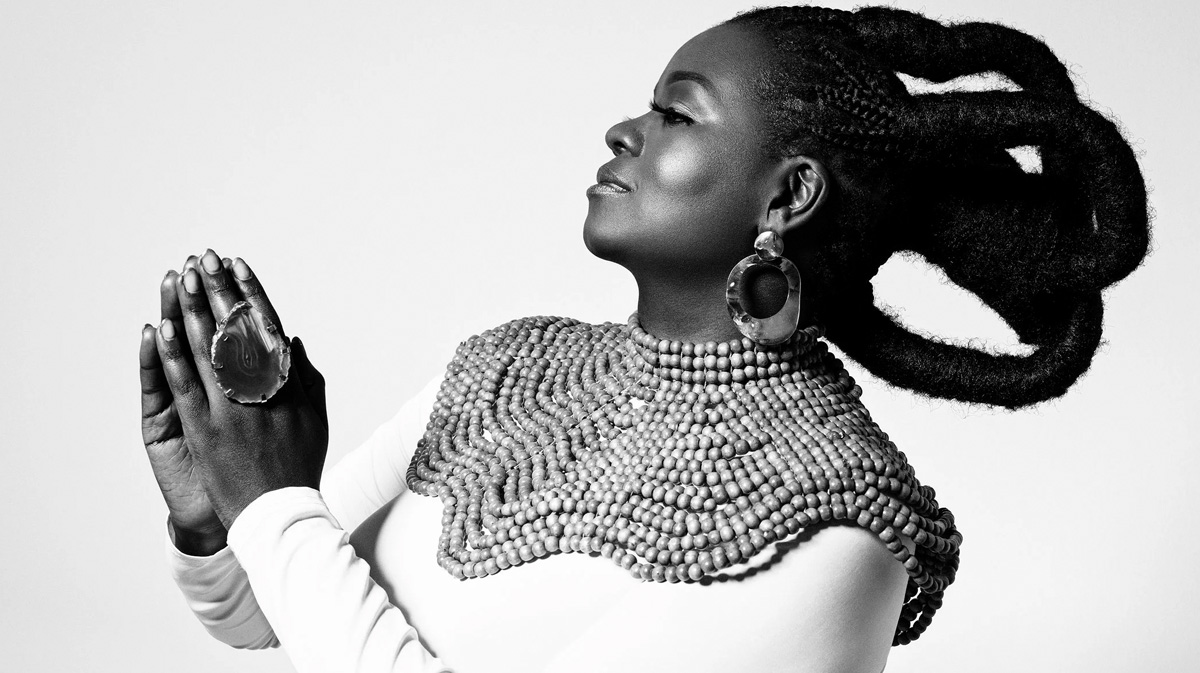
Somi Kakoma, known professionally as Somi, is an internationally acclaimed African singer whose music blends jazz, soul, and African rhythms into a deeply expressive and globally resonant sound. With roots in both East Africa and the United States, she has built a career that bridges continents, cultures, and musical traditions.
Born in Illinois to Rwandan and Ugandan parents, Somi Kakoma was raised in a household rich with African heritage and storytelling. Her upbringing exposed her to a wide range of musical influences, from traditional African melodies to American jazz and soul. These early experiences would later shape her signature sound and artistic identity.
Somi’s academic journey reflects her intellectual depth as well as her artistic passion. She attended Yale University, where she studied anthropology, and later pursued graduate studies at New York University. Her studies often explored themes of identity, migration, and culture—topics that would become central to her music.
Her career began to gain momentum in the early 2000s as she performed in New York City’s vibrant jazz scene. Her voice—rich, emotive, and deeply nuanced—quickly drew attention. Unlike many contemporary artists, Somi leaned into storytelling, using her music as a platform to explore complex social and cultural narratives.
Somi’s breakthrough came with albums such as If the Rains Come First and The Lagos Music Salon. The latter, inspired by her time living in Nigeria, marked a turning point in her career. It showcased her ability to merge African musical traditions with modern jazz, creating a sound that felt both rooted and innovative.
Her time in Lagos profoundly influenced her artistry. Immersed in the city’s dynamic culture, she collaborated with local musicians and absorbed the rhythms and spirit of West Africa. This experience deepened her connection to the continent and enriched her musical expression.
Throughout her career, Somi has been celebrated for her ability to address social issues through her work. Her music often touches on themes such as diaspora identity, African womanhood, political struggle, and resilience. She approaches these subjects with both sensitivity and strength, giving voice to stories that are often overlooked.
“I sing to tell stories that connect us—to remind us of who we are and where we come from.”
This philosophy lies at the heart of Somi’s artistry. Her performances are not just musical experiences but emotional journeys that invite listeners to reflect, connect, and engage with deeper truths.
In addition to her work as a recording artist, Somi has also made significant contributions to theater and performance art. Her critically acclaimed musical Dreaming Zenzile, based on the life of South African legend Miriam Makeba, highlights her versatility and commitment to honoring African icons.
Somi’s talent has earned her numerous accolades, including a Grammy nomination. She has performed on prestigious stages around the world, from renowned jazz festivals to major concert halls. Her global presence underscores her role as a cultural ambassador for African music.
Despite her international success, Somi remains deeply connected to her roots. She continues to draw inspiration from African traditions, languages, and histories, ensuring that her work remains authentic and grounded. Her music serves as a bridge between generations and geographies.
As she continues to evolve as an artist, Somi stands as a powerful voice in contemporary music. Her ability to blend artistry with purpose, and tradition with innovation, ensures that her influence will continue to grow. In a world increasingly defined by cultural exchange, Somi’s voice rises as a testament to the beauty and complexity of African identity.


Roots Of Defiant African Resistance

A Voice Rising With Purpose

Poetry At The Cosmic Edge





-

 Sports9 months ago
Grace, Grit, Gold on Ice
-

 Entertainment8 months ago
Serena Williams Super Bowl LX Commercial ‘Healthier on Ro’
-

 Fashion8 months ago
The Face That Redefined Beauty
-

 Business8 months ago
Curl Fest is Back
-

 Culture7 months ago
The Return of Chrisette Michele
-
 Culture8 months ago
Patterns of Systemic Black Destabilization
-
 Business9 years ago
Charles White: Art and Human Dignity
-

 Fashion7 months ago
Bold Spatial Vision