


Entertainment
How Podcasting Continues To Evolve
Podcasting has evolved dramatically since it first appeared more than two decades ago. In its earliest days…

Podcasting has evolved dramatically since it first appeared more than two decades ago. In its earliest days, the format simply allowed listeners to download audio programs and hear them whenever they wanted. Over time, however, podcasts developed into a creative medium with its own identity. Today the space includes everything from deeply researched investigative series and richly produced fictional storytelling to casual conversations that give audiences the feeling of sitting alongside their favorite public figures.
The industry itself has also experienced significant changes, particularly in recent years. In 2025, shifts in audience habits and production costs reshaped the podcast landscape. Narrative-driven projects became harder to sustain, while many creators began expanding their shows into video to reach audiences across multiple platforms. These changes forced producers and hosts to rethink how podcasts are made, distributed, and experienced.
Despite these adjustments, the medium continues to produce compelling and innovative work. New shows still explore fascinating topics, from the history of internet culture to detailed biographies and lively interview programs that spotlight unique personalities. The following list highlights ten standout podcasts that debuted this year, showcasing the creativity and variety that continue to define the ever-changing world of podcasting.

Rissi Palmer created the podcast Color Me Country to spotlight the rich diversity that has always existed within country music. In each episode, Palmer talks with artists, songwriters, and cultural voices who bring different backgrounds and experiences to the genre, highlighting stories that have often been overlooked in mainstream country conversations. The show blends thoughtful interviews with discussions about music history, identity, and creativity, offering listeners a broader understanding of the genre’s roots and future. Through honest dialogue and a passion for storytelling, Palmer uses the podcast as a platform to celebrate artists of color while encouraging a more inclusive vision of country music.

Entertainment
A Voice Rising With Purpose
Olivia Dean’s voice met that stillness without hesitation.
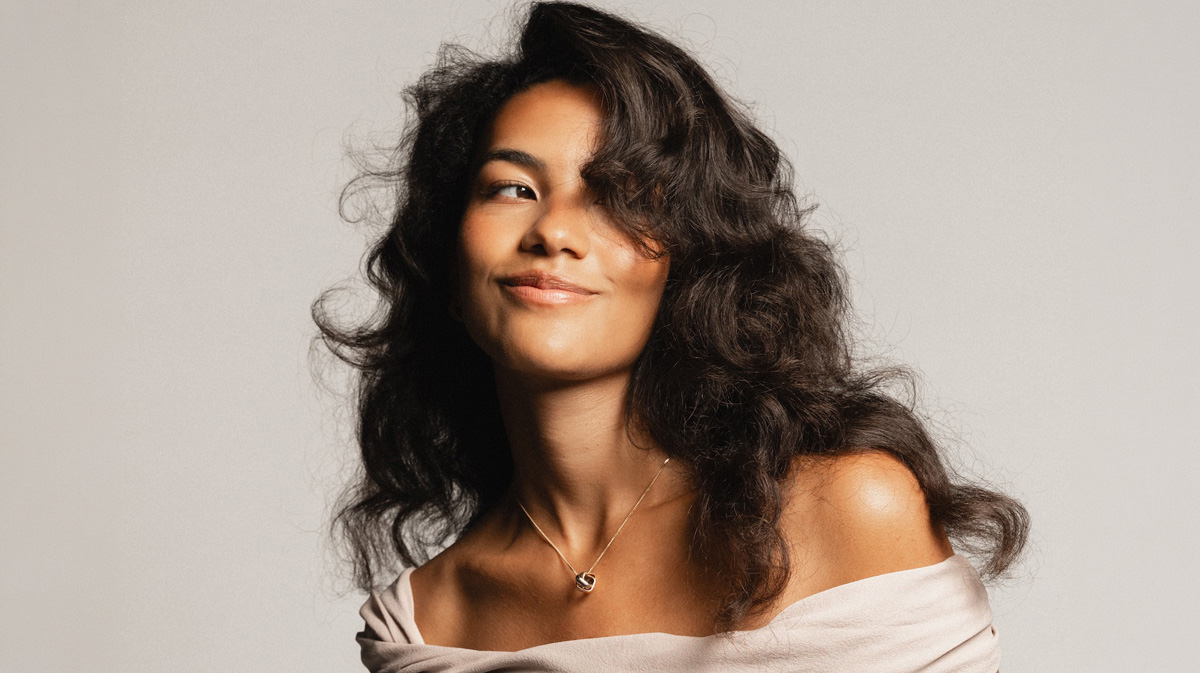
There are certain rooms that seem to anticipate what’s about to happen inside them.
This was one of those rooms.
By early evening, the space had settled into a low, knowing hum—conversations folding into one another, glasses catching the light, the air charged with something quieter than excitement but more precise than anticipation. It wasn’t simply that people had gathered; it was that they seemed to be waiting, whether they realized it or not, for a moment that had yet to announce itself.
Nothing about the scene felt overstated. The lighting was soft without being dim, the crowd engaged without being performative. Familiar faces moved through the room with an ease that suggested presence rather than visibility. No one seemed particularly concerned with being seen—only with being there.
At the center of that attention, though not obviously so, was a young artist whose presence carried a kind of quiet inevitability. She did not command the room so much as the room arranged itself around her. There was composure in the way she moved, but also something else—something earned. The sense that whatever was unfolding now had been in motion for far longer than this evening suggested.
When she stepped forward to perform, the shift was subtle but complete. Conversations didn’t stop so much as dissolve. The room recalibrated, its energy narrowing into a shared point of focus.
Her voice met that stillness without hesitation.
It was clear, controlled, and notably unforced—less a display than a transmission. There was precision in it, certainly, but also warmth, and something more difficult to manufacture: emotional accuracy. She wasn’t reaching for the moment; she was inside it. Each note felt considered without being calculated, as though the performance were unfolding in real time rather than being reproduced.
The effect was immediate, but not fleeting. What lingered wasn’t just the sound, but the sense of being addressed—of something honest having passed between performer and audience, however briefly.
Only days earlier, she had reached what might be considered a defining milestone, the kind that rearranges both visibility and expectation. She spoke about it carefully, almost cautiously, as though still negotiating its scale. There was no practiced narrative, no easy confidence in its permanence—only a kind of measured disbelief, paired with an awareness that something had shifted.
If anything, the moment seemed to have sharpened her attention rather than diffused it. There was no trace of fatigue in her performance, no sense of someone carried forward by momentum alone. Instead, she appeared deliberate—fully aware of where she was, and of how quickly moments like this can pass.
Earlier that day, in a hotel suite overlooking the city, that same awareness took on a quieter form. Removed from the structure of an audience, she moved through the space with a kind of intentional calm. The room itself was understated—soft light, minimal noise, small details arranged with care—but it reflected something essential about her approach: an understanding that environment shapes experience.
Nothing felt incidental. Not the pacing of the day, not the way she prepared, not even the pauses between conversations.
Her personal style echoed that restraint. It was expressive, but not declarative—assembled with a sense of clarity rather than urgency. There was no visible negotiation with trend, no overt signaling. Instead, it read as self-contained, consistent, and—perhaps most notably—unforced.
In conversation, she was similarly precise. She listened closely, answered without rushing, and allowed silence to exist without filling it unnecessarily. It gave her interactions a certain weight, as though each exchange mattered on its own terms.
When the subject turned to celebration, she resisted the expected framing. There was humor in her response, but also deflection—a quiet redirection away from individual recognition and toward something more collective. It was not modesty in the performative sense, but perspective.
That perspective has been shaped over time. Her trajectory, by her own account, has been less about sudden arrival than sustained development—an accumulation of effort that, in retrospect, appears seamless but in practice required discipline, patience, and a tolerance for uncertainty.
It is a sensibility that carries into her music.
Her work resists excess. Where others might amplify, she refines. The songs unfold deliberately, favoring emotional specificity over broad declaration. Themes of self-worth, intimacy, and personal growth are present, but rarely overstated. Instead, they are explored with a kind of measured clarity, allowing complexity to remain intact.
In an industry that often rewards immediacy, this restraint feels notable. It invites attention rather than demanding it, creating space for listeners to engage at their own pace.
That engagement, she suggests, is the point.
Success, as she defines it, is less about scale than about connection—the ability to reach someone in a way that feels lasting rather than momentary. It’s a distinction that becomes most visible in her live performances, where the separation between artist and audience seems, if only briefly, to dissolve.
Even as her visibility expands, she has become more deliberate about what she allows in. Distance—from digital noise, from constant access—is not withdrawal, but maintenance. A way of preserving clarity in an environment that rarely encourages it.
She is also acutely aware of the narratives imposed on artists, particularly women, and the ease with which identity can be reshaped by external expectation. Her response is neither confrontational nor accommodating. Instead, it is quietly firm: a refusal to be defined by anything other than her own terms.
Those terms extend beyond the work itself. Conversations around accessibility and fairness are not, for her, abstract. They are practical considerations—extensions of a broader belief that success does not exist in isolation.
It’s a perspective rooted, she notes, in her upbringing, and in the influence of women whose resilience informed her understanding of both ambition and responsibility. Their impact is evident not in overt references, but in the structure of her thinking—the emphasis on consistency, on preparation, on showing up whether or not the outcome is guaranteed.
Looking ahead, her ambitions are clear, but notably measured. Growth, in her framing, is not expansion for its own sake, but alignment—an ongoing effort to ensure that what comes next remains connected to what brought her here.
On stage, that alignment becomes visible.
It is where instinct meets preparation, where control gives way to something more fluid. The confidence she carries there does not read as sudden or situational, but as cumulative—the result of repetition, refinement, and time.
Watching her, the impression is not of performance as construction, but of expression as continuation. There is a freedom in it, but one that feels structured rather than accidental—a choice, made repeatedly, to remain open within a space that often rewards the opposite.
Joy, she explains, operates in much the same way. Not as a byproduct, but as a decision—something she returns to with intention, particularly when it would be easier not to.
It is, in its own way, a discipline.
And it speaks to what ultimately defines her: not the scale of her recognition, but the consistency of her presence within it. The sense that, regardless of context, she remains fundamentally unchanged in the ways that matter.
In a moment increasingly shaped by visibility, that kind of steadiness feels less like an accessory—and more like the work itself.
Entertainment
Stage Lights, Subways, and Genius
Ayo Edebiri eases into the day in a small New York apartment, skin-care bottles on the counter and a cup of coffee in hand, while her thoughts are miles away on a Broadway stage.Ayo Edebiri eases into the day in a small New York apartment, skin-care bottles on the counter and a cup of coffee in hand, while her thoughts are miles away on a Broadway stage.

Most mornings, Ayo Edebiri eases into the day in a small New York apartment, skin-care bottles on the counter and a cup of coffee in hand, while her thoughts are miles away on a Broadway stage. She is deep in rehearsal for a new revival of the Pulitzer-winning play “Proof,” and her description of the process sounds like controlled demolition: take the play apart, question every beat, then rebuild. She imagines the production like a painter’s table, overflowing with color, where the remaining work is to decide which brushstrokes will define the final picture. Broadway may be the newest stop on her career path, but the pressure cooker of this moment feels strangely familiar.
“Proof,” written by David Auburn and directed by Thomas Kail, places Edebiri at the center of a tense family drama. She plays Catherine, the gifted and emotionally frayed daughter of Robert, a legendary mathematician whose mind has unraveled, now portrayed by Don Cheadle. The play unfolds on the back porch of a Chicago house, where Catherine juggles caregiving, grief, resentment toward her meticulously put-together sister Claire, and a charged connection with Hal, her father’s former student. Catherine is quick with a cutting line, but beneath the sarcasm lives a young woman rattling through a precarious chapter of her life.
Edebiri is drawn to characters whose edges are frayed but not broken. On The Bear, she plays Sydney, a chef who can move through a combustible kitchen while barely containing her own stress. In Luca Guadagnino’s “After the Hunt,” she inhabits a talkative philosophy student determined to confront wrongdoing in an academic setting. These women exist on the border of collapse without tipping into caricature. Stepping into Catherine’s world, in the high-intensity intimacy of live theater, feels like an extension and elevation of that thread.
The rehearsal schedule has been relentless: about three weeks of work before the show begins welcoming paying audiences. Coming from television, where actors often leap into scenes with little formal rehearsal, that span somehow feels both rushed and generous to Edebiri. Days have been dominated by table work, conversations about what each line truly means, and how the language steers the characters’ choices. She and Cheadle have started joking that the play looks straightforward on the surface but reveals itself to be intricately constructed the more they interrogate its text.
One of the unusual gifts of this production is that Auburn is physically present in the room. Instead of a script managed by an estate, the company has a living playwright who is still adjusting and refining his work. He quietly sharpens the text—trading one adjective for another, extending a phrase for added emphasis—treating the script less as a monument than as a working document. For Edebiri, it’s proof that even a decorated play can continue to evolve when its creator remains curious.
Those revisions carry particular weight because this staging centers a Black family, with Hal played by an Asian actor, where the original production featured a white cast. Shifting the characters’ racial identities changes the resonance of certain scenes, especially moments involving authority and public perception. The creative team has returned repeatedly to the sequence involving Catherine’s run-in with the police, now set against the backdrop of 1990s Chicago and a national conversation shaped by Rodney King and later viral footage of police violence. The question is no longer just what happens in the scene, but what it means for this specific family, in this specific historical moment.
Edebiri’s connection to theater started long before she entered rehearsal rooms with Tony-winning directors. Raised by immigrant parents who did not work in the arts but revered Black artistic traditions in the United States, she grew up treating culture as essential rather than optional. Live performance was non-negotiable: church concerts, neighborhood productions, community events, any show they could realistically reach. When her mother could carve out a spare weekend, the two of them would hop a bus to New York, racing to rush Broadway tickets they could actually afford.
In college at NYU, Edebiri initially imagined a practical career path—teaching by day and doing improv at night, with creative work relegated to the margins of a stable life. That changed when she started interning at UCB and saw Black women making theater and comedy across the city. Suddenly, the abstract dream of working in the arts came into focus as something tangible. She shifted her studies toward dramatic writing, focusing on both playwriting and television, convinced at the time that this would be her primary lane.
Her early plays were staged in small New York venues like the PIT Loft, experimental spaces where writers could test out wild ideas without the burden of permanence. She found herself influenced by a generation of playwrights who seemed to pour their subconscious onto the page: Will Arbery, Brandon Jacob-Jenkins, Clare Barron, Annie Baker, Aleshea Harris. At the same time, Hamilton was rewriting industry expectations, proving that form and casting could be radically remixed on the biggest stages. Edebiri absorbed all of this, trying to emulate that mix of danger, vulnerability, and ambition.
Her fandom for theater is encyclopedic and deeply online. She grew up watching grainy uploads of Tony performances on YouTube, rewinding them like other kids replayed music videos. Audra McDonald’s turn in “Ragtime” sits at the center of her personal canon, as do Michael Jeter’s “Grand Hotel” performance and his wrenching acceptance speech, which still makes her tear up. She treasures more obscure lore, like Julie Andrews publicly declining her Tony nomination for “Victor/Victoria” after her colleagues were shut out, and the immersive chaos of the “Hair” revival.
Despite her training as a writer, Edebiri has realized that what truly excites her now is performing plays rather than composing them. She loves the rehearsal room, the rhythm of live audiences, and the alchemy that happens between actor and text. She still writes—often with longtime collaborator Lionel Boyce—but the stage scratches a different itch. For her, acting in theater is less about control and more about surrendering to what happens night after night.
That sense of responsibility extends beyond the work she does onstage to who gets to sit in the seats. Edebiri is acutely aware that Broadway prices have pushed many young people to the sidelines, especially the kind of New York public school students she once shared buses and trains with. A trip to London cemented that concern when she saw “The Effect,” starring Taylor Russell and Paapa Essiedu, and learned how aggressively they had pursued student ticket initiatives at the National Theatre. It made her wonder why similar efforts were not standard on Broadway.
When “Proof” came together, she and Cheadle decided to do more than talk. In an industry where some “producers” simply lend their names to a marquee, they contributed actual money to seed a fund aimed at making tickets meaningfully cheaper for students. Through the TDF graduate gift program, New York City public high school seniors can now see the show for $22, while student rush tickets are priced at $45 and the digital lottery at $49. Edebiri hopes this becomes a model other film and TV actors adopt when they cross over to the stage.
Catherine herself is a big part of why Edebiri said yes to “Proof.” She describes the character as someone who feels everything intensely, but not effortlessly, as if every emotion has to fight its way out. The word “messy” hovers at the edge of the conversation—she’s wary of how overused it has become to brand “complicated female characters”—yet it still captures something real about Catherine’s state. What compels her is not the chaos for its own sake, but the honesty of watching a young woman navigate a threshold where genius, grief, and self-doubt collide.papermag
Reframing the play through the lens of race adds another layer to that honesty. The much-discussed police encounter, in which Catherine’s actions lead to a confrontation with officers, now carries additional risk for a Black family in 1990s Chicago. Edebiri and the team have spent time parsing what Claire’s concern looks like in that reality—how worry about safety and about appearances intersect. They do not claim to have solved every question, but they are determined not to gloss over them.
Beyond “Proof,” Edebiri belongs to a loose cohort of screen actors making simultaneous Broadway debuts. Her Bear castmates Ebon Moss-Bachrach and Jon Bernthal are performing in “Dog Day Afternoon,” while Tessa Thompson is headlining her own production. They’ve been showing up for one another, turning performances into group outings that end backstage, buzzing with nerves and disbelief. Edebiri jokes that they all seem slightly unhinged for choosing this moment to throw themselves into live theater, but there’s obvious joy in the shared leap.
The Bear itself is nearing its own conclusion, with the upcoming season set to be its last. Edebiri expects the full weight of that ending to hit her later, when she would typically be in Chicago filming and instead is somewhere else entirely. For now, the show’s cast remains woven into her everyday life: bumping into Jeremy Allen White in New York, attending Lionel Boyce’s premieres, knowing Liza Colón-Zayas will soon be in the audience for “Proof.” It feels, she says, less like a series wrapping and more like a family scattering but staying in orbit.
Even as her profile rises, Edebiri clings to the quiet rituals that once defined her anonymous city life. She still rides the subway, headphones on, listening to downbeat podcasts and flipping through books, hoping fellow passengers will let her be. One of her few public laments is the disappearance of the old MetroCard, which she misses with almost sentimental intensity. That small annoyance says as much about her as any luxury campaign: she is invested in a version of New York that still feels scrappy and accessible.
In the Paper Magazine cover story, she wears Chanel’s Spring Summer 2026 collection and full Chanel Beauty looks, yet the conversation keeps sliding back to ticket prices, library archives, and public-school kids. Fashion becomes another kind of costume, one she happily uses for the shoot but does not confuse with identity. She treats high-end styling as part of the performance, while her real concerns stay rooted in who gets to witness the work and how. The glamour is real, but so is the insistence on grounding it in purpose.
What emerges is a portrait of an artist who sees theater as both personal obsession and public good. Edebiri wants to stretch herself, to see how far she can push as an actor on one of the world’s most unforgiving stages. At the same time, she wants kids like her younger self—obsessed with cast recordings and grainy bootlegs—to have a chance to sit in a Broadway audience without choosing between rent and a ticket. In that sense, stepping into Catherine’s shoes is only part of the story; the rest lies in who she’s determined to bring with her into the house.
Entertainment
From Chicago Streets to Stardom
Bernie Mac was one of the most distinctive voices in comedy, known for his bold honesty, commanding stage presence, and unforgettable delivery.

Bernie Mac was one of the most distinctive voices in comedy, known for his bold honesty, commanding stage presence, and unforgettable delivery. His journey from humble beginnings to national fame is a story of resilience, talent, and determination. Through stand-up comedy, television, and film, he carved out a legacy that continues to influence comedians and entertain audiences worldwide.
Born Bernard Jeffrey McCullough on October 5, 1957, in Chicago, Illinois, Bernie Mac grew up on the city’s South Side. His childhood was marked by hardship and loss. His mother, Mary McCullough, worked hard to support him, but she passed away when he was just 16 years old. Raised in a tough environment, Mac developed a thick skin and sharp wit, using humor as both a coping mechanism and a way to connect with others.
Despite facing adversity, Mac showed early signs of his comedic talent. He would entertain friends and family with jokes and stories, often drawing from his real-life experiences. However, his path to success was not immediate. Before gaining recognition, he worked a variety of jobs, including as a furniture mover, janitor, and bus driver, all while performing stand-up comedy at night.
Mac’s big break came in the early 1990s when he appeared on HBO’s Def Comedy Jam. His performance became legendary, especially his fearless opening line, “I ain’t scared of you…” which immediately captivated the audience. This moment launched him into the national spotlight and established him as a comedian unafraid to speak his truth.
As his popularity grew, Bernie Mac became part of the “Original Kings of Comedy,” alongside fellow comedians Steve Harvey, Cedric the Entertainer, and D. L. Hughley. The tour, later turned into a film directed by Spike Lee, showcased their unique styles and brought Black comedy to a broader audience. Mac stood out for his raw storytelling and commanding presence.
“I love my kids. I love them to death. But they don’t understand—you don’t get grown and then just start doing what you want to do. You got to follow rules. I ain’t one of your little friends. I’m your daddy!”
In 2001, he reached a new level of fame with The Bernie Mac Show, a sitcom loosely based on his life. The show was both humorous and heartfelt, often addressing real-life issues such as parenting, discipline, and family dynamics. It earned critical acclaim and several awards, including Emmy and Golden Globe nominations, further cementing his place in entertainment history.
Beyond television, Bernie Mac had a successful film career. He appeared in popular movies such as Ocean’s Eleven, Bad Santa, and Guess Who. His ability to transition between comedy and more serious roles demonstrated his versatility as an actor. Whether playing a comedic sidekick or a leading man, he brought authenticity and charisma to every performance.
Despite his success, Mac remained grounded and often spoke about the importance of family and staying true to oneself. He was known for his generosity and commitment to helping others, particularly in his hometown of Chicago. His life story served as an inspiration to many who saw in him a reflection of perseverance and hard work.
However, behind the scenes, Bernie Mac faced significant health challenges. He had been diagnosed with sarcoidosis, a rare inflammatory disease that affects multiple organs, particularly the lungs. Although he often kept his condition private, it played a major role in his declining health in later years.
In July 2008, Mac was hospitalized due to complications from pneumonia. His condition worsened, and on August 9, 2008, he passed away at the age of 50. The official cause of death was complications related to pneumonia, which were exacerbated by his underlying sarcoidosis. His passing was a tremendous loss to the entertainment world and his many fans.
The impact of Bernie Mac’s death was felt deeply across the industry. Fellow comedians, actors, and fans paid tribute to his talent, honesty, and influence. Many credited him with paving the way for future generations of comedians who sought to bring authenticity and boldness to their craft.
Today, Bernie Mac’s legacy lives on through his work and the countless lives he touched. From his early days on Chicago’s South Side to becoming a household name, his journey is a testament to resilience, talent, and the power of laughter. His voice, style, and spirit remain unforgettable, ensuring that he will always be remembered as one of comedy’s greats.
Entertainment
Egoless R&B In Soft Focus
Jack Harlow’s fourth album, “Monica,” marks a deliberate pivot away from the glossy, chart-dominating rap that made him a pop mainstay…
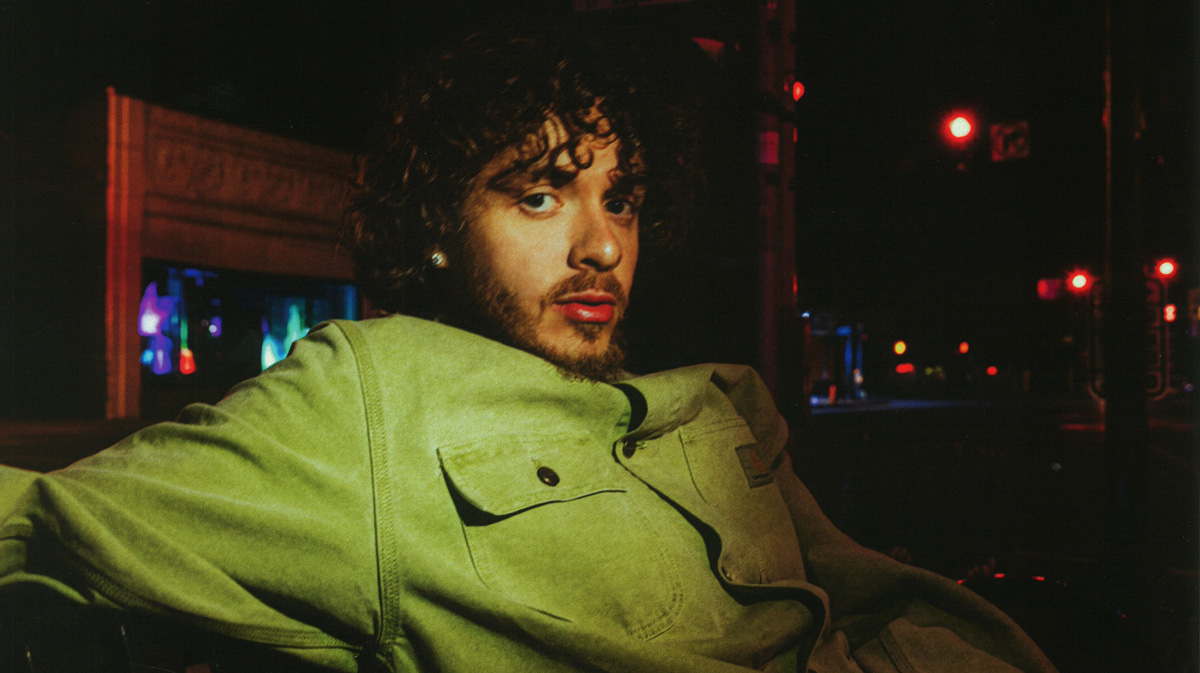
Jack Harlow’s fourth album, “Monica,” marks a deliberate pivot away from the glossy, chart-dominating rap that made him a pop mainstay and toward a quieter, more intimate R&B rooted in live instrumentation and mood. After the runaway success of “First Class” and “Lovin on Me,” which leaned on familiar, sample-driven formulas, he recognized that a template had calcified around him and started to feel more like a trap than a triumph. The result is a project conceived as much in reaction to his own success as in pursuit of a sound that better mirrors his evolving sense of self.
That reassessment coincided with a physical move. In early 2025, the Louisville native relocated to New York, soaking in the city’s museums, independent cinemas and bookstores while struggling through early studio sessions that left him dreading the work instead of chasing it. It was in that malaise that he finally scrapped two years’ worth of material and asked a basic question: what did he actually want to hear from himself? The answer pushed him to abandon what he calls patented Jack Harlow moves and instead attempt something riskier, less guaranteed and more personal.
“Monica” takes shape at Electric Lady Studios, the storied downtown Manhattan space that helped define neo-soul, and the album places Harlow inside that lineage of warmer, live-band R&B. Soft guitars, understated grooves and unhurried arrangements frame songs that nod to 1990s organic R&B and the earthy swing of groups like Slum Village, inheritors of the Native Tongues sensibility. The music refuses maximalism, trading high-definition bombast for atmosphere and feel.
To realize this vision, Harlow surrounded himself with musicians who already live comfortably in these textures. Executive producer Aksel Arvid, known for retro-leaning work with PinkPantheress, helped steer the sound toward 90s-flavored subtlety, while heavyweights like Robert Glasper, Cory Henry and Jermaine Paul brought jazz and soul fluency to the sessions. Vocally, he’s joined by peers such as Ravyn Lenae, Omar Apollo and Mustafa, whose contributions situate “Monica” in a contemporary ecosystem of artists for whom genre is porous but tone is paramount.
Lyrically and emotionally, the pivot is as sharp as the sonic one. Harlow shifts from punchline-heavy swagger to songs about tender advances, romantic misfires and gentle farewells, consciously going “smaller and more sensual.” It’s a move that undercuts expectations not only for a pop-rap star but particularly for a white rapper, many of whom have redirected toward rock or country when they sought reinvention. By stepping instead into a more niche pocket of Black R&B, he trades some obvious commercial upside for a chance at deeper alignment with his own tastes.
That choice is inseparable from questions of race and genre mobility that have followed him throughout his career. In conversation, Harlow acknowledges that you can’t really talk about him without talking about race, even as journalists point out that white rappers historically have more critical leeway and safer landing zones when they decide to switch styles. Rather than retreat to a whiter sound, he jokes that he “got Blacker,” embracing an R&B aesthetic he already loved while remaining acutely aware of the politics and privileges surrounding that decision.
At the core of “Monica” lies an experiment in humility. Harlow set himself a series of strict rules: no braggadocio, no cursing, no digital instruments other than drums, and essentially no rapping unless it was bent into melody. “What would intrigue me? It just struck me that I would want to do something a little more egoless,” he explains, noting that as he gets older, he struggles to reconcile his personality with the traditional boastfulness of rap. The constraints, he says, were less about purity than about removing lyrical and production crutches.[nytimes]
His ideas about ego were sharpened in part by a conversation with the singer Elmiene about why Stevie Wonder’s music has aged so gracefully. They arrived at a simple conclusion: Stevie’s songs are suffused with love and rarely fixated on self-mythologizing, which can make music feel dated as the persona shifts or falls out of step. Harlow does not reject the enduring appeal of some chest-beating rap—he still loves plenty of it—but he has become more interested in being “a little less self-indulgent,” closer to the person he likes to be off record.
That impulse feeds into a broader effort to collapse the distance between Jack Harlow the star and Jack Harlow the person with a government name. Throughout his career, he suggests, he has been inching toward art that honestly captures who he is rather than a caricature people might expect from a successful rapper. “My entire career path has been me trying to get closer and closer to capturing who I actually am,” he says, framing “Monica” as another step in that slow calibration.
The pivot also reorients his relationship to performance and presence. Harlow describes wanting to be “more impressionist instead of a hi-def photograph,” a texture in the mix rather than the blaring center of attention. That means accepting a lower vocal placement, encouraging the band and the music’s warmth to carry more of the emotional load. The goal is not to showcase newfound chops but to create something “pleasant,” smooth and soft enough to drift through a coffee shop without demanding all the air in the room.
This change comes in the shadow of massive hits that both validated and unsettled him. Harlow admits he always wanted songs that everyone knew, and he still appreciates accessibility, but the enormity of tracks like “First Class” risked flattening the nuance he once felt able to communicate. In response, he began “trimming a lot of the fat,” accepting that he didn’t need to convey every aspect of himself in each release. Instead, he now imagines a career built on adding subtle shadings over time and has “come to terms with waiting to be understood.”
That long-game thinking is informed by earlier generations of star rappers. Harlow points to Tyler, the Creator, Drake and Kendrick Lamar as artists whose full creative range only became widely appreciated after about a decade of work. With them as loose models, he sees value in incremental experimentation, trusting that audiences can eventually connect the dots between disparate eras. It’s a patience that contrasts with the urgent ambition that once defined his rise.
His relationship to Drake offers a particularly telling reference point. Harlow readily concedes that he was moving along a “very Drake path” at one time, both as a friend and as a kind of “School of Drake” student of how to build a career that balances hit-making and credibility. But as he matures, he says he has become more allergic to mimicry and less interested in landing exactly where others have landed before him. Now he talks about carving out his “own island,” caring less about its immediate size than about its distinct contours.
That shift in priorities overlaps with a deeper choice between celebrity and artistry. Earlier in his career, Harlow imagined he might be able to fully inhabit both at once, maximizing visibility while also refining his craft. With time, he has begun to suspect that not everyone can hold those two roles simultaneously without compromise, and he has chosen to emphasize being an artist. The new album, with its subdued stakes and self-imposed limits, is one way of enacting that decision
Still, he doesn’t disown the brash confidence that helped propel him into the spotlight. Asked about the bold proclamations he made in 2022 about becoming “one of the top guys,” Harlow admits he has spent a lot of time wondering how much of that bluster remains accessible to him. He frames his current phase as a different “season” in a longer arc, suggesting that the swaggering rap persona could return someday, but ideally “at a higher level.” For now, he is more interested in maturity than in dominance.
“Monica” therefore functions as both an aesthetic and philosophical statement. On one level, it’s an R&B record with live players, subdued arrangements and songs that lean into vulnerability rather than victory laps. On another, it is Harlow’s attempt to imagine a sustainable way forward after tasting the instability that can accompany outsized hits. By making music he wants to hear rather than music designed to reaffirm his stature, he is trying to protect his relationship to the craft itself.
The album also tests how audiences will receive a version of Harlow that refuses some of the rewards his industry role makes available. His pivot into a deeper strain of Black music happens under the gaze of a culture that knows how white rappers are often granted genre freedom and soft landing spots that Black peers rarely enjoy. That tension lingers underneath his move, even as he insists that, ultimately, he chose this path because these sounds simply feel right to his ear.
In the end, the story behind “Monica” is less about escape than refinement. Harlow is not running from rap so much as testing what happens when he filters his instincts through stricter rules and a more modest sense of self. He still thinks of himself “as a rapper” and wants to be referred to that way, even after making something thoroughly melodic. But as he puts it, “As I’m getting older, I’m having more trouble reconciling being braggadocious on record,” and this album is his first substantial answer to that uneasy feeling.
Entertainment
Fearless Voice of a New Generation
In the ever-evolving landscape of global music, Ayra Starr has emerged as one of the most compelling voices of her generation.

In the ever-evolving landscape of global music, Ayra Starr has emerged as one of the most compelling voices of her generation. With a distinctive blend of Afropop, R&B, and soul, the Nigerian singer-songwriter has captured the attention of audiences worldwide, redefining what it means to be a young African artist on the global stage.
Born in Benin and raised in Lagos, Ayra Starr’s journey into music began at an early age. Surrounded by creativity and culture, she developed a deep appreciation for sound, storytelling, and self-expression. Before stepping fully into music, she explored modeling, a path that helped shape her confidence and presence.
Her breakthrough came after being discovered by Don Jazzy, founder of Mavin Records. Signing to the label marked a pivotal turning point, giving her the platform to share her voice with a wider audience and refine her artistry under expert guidance.
In 2021, Ayra Starr released her self-titled debut EP, which quickly gained traction for its fresh sound and emotional depth. However, it was her debut album, 19 & Dangerous, that solidified her place in the industry. The project showcased her versatility, blending infectious rhythms with introspective lyrics that resonated with listeners across continents.
One of the standout tracks from the album, Bloody Samaritan, became an anthem of empowerment. Its bold message and catchy delivery struck a chord, especially among young women navigating identity and self-worth. The song’s success marked a historic moment, further elevating her profile.
Ayra Starr’s music is characterized by its emotional honesty. She often explores themes of love, heartbreak, confidence, and self-discovery, creating songs that feel both personal and universal. Her ability to balance vulnerability with strength has become a defining feature of her artistry.
Beyond her music, Ayra Starr has cultivated a unique image that reflects her fearless personality. From her fashion choices to her unapologetic attitude, she embraces individuality and encourages others to do the same. This authenticity has made her a role model for many young fans around the world.
As Afrobeats continues to gain global recognition, Ayra Starr stands at the forefront of the movement. Alongside other influential artists, she is helping to expand the genre’s reach, introducing diverse sounds and perspectives to international audiences. Her success underscores the growing influence of African music on the world stage.
Her performances further highlight her star power. Whether on intimate stages or major festivals, Ayra Starr delivers with confidence and energy, connecting with audiences through her voice and presence. Each performance reinforces her reputation as a dynamic and engaging artist.
Despite her rapid rise, Ayra Starr remains grounded in her purpose. She continues to push creative boundaries, experimenting with new sounds while staying true to her identity. Her dedication to growth is evident in every project she releases.
Looking ahead, the future appears incredibly bright for Ayra Starr. With an expanding global fanbase and a clear artistic vision, she is poised to achieve even greater milestones. Her journey serves as an inspiration to aspiring artists, particularly young women who see themselves reflected in her story.
In a world where authenticity is increasingly valued, Ayra Starr stands out as a voice of truth, confidence, and resilience. As she continues to evolve, one thing remains certain: her impact on music—and culture—has only just begun.
Entertainment
Philosophy Of Feeling And Creation
The conversation with the artist known as FKA Twigs begins shortly after a magazine cover shoot in London.
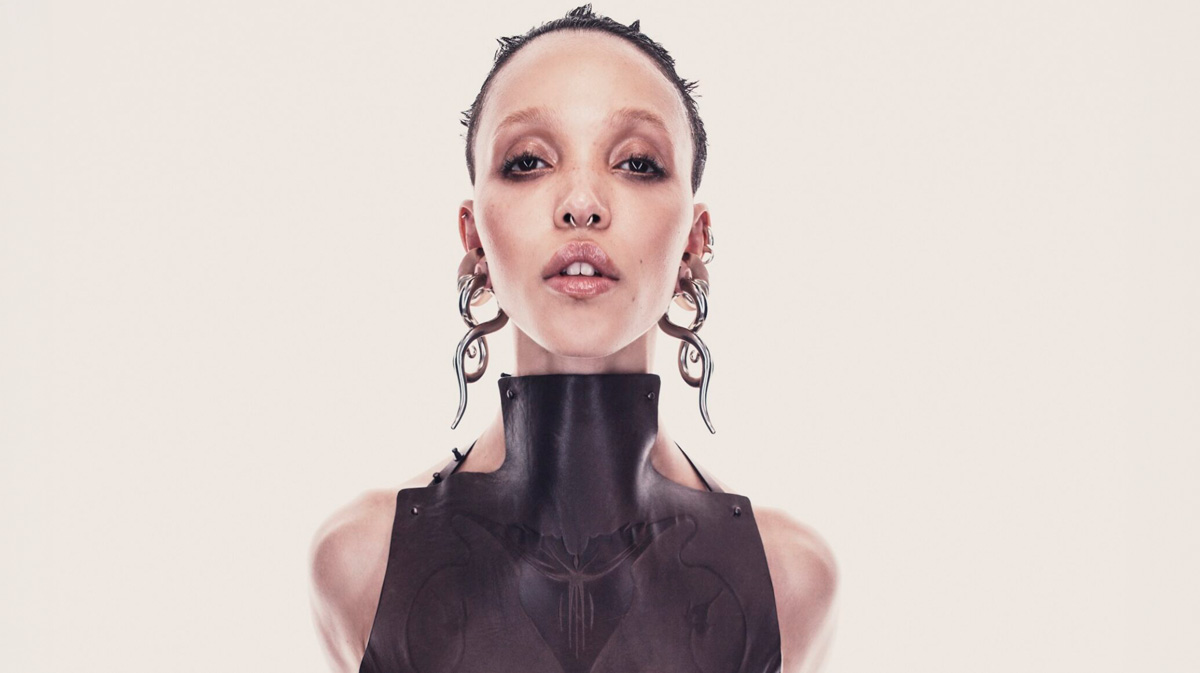
The conversation with the artist known as FKA Twigs begins shortly after a magazine cover shoot in London. What starts as a casual discussion unexpectedly turns into a philosophical debate about the nature of sensation and awareness. Twigs describes the moment just before an orgasm as a state of absolute emptiness. Her explanation is calm but confident, suggesting that the absence of thought in that instant represents a moment of perfect clarity and focus.
Her perspective reveals the unusual way she interprets experiences. While two people may be sitting in the same room, she suggests they may be living entirely different internal realities. Throughout the conversation she shares ideas that feel abstract, reflective, and sometimes mysterious. Even when her ideas seem difficult to fully grasp, they carry a sense of curiosity and energy about how she interprets the world around her.
This concept of emptiness connects to a larger philosophy she calls “Eusexua,” a word she created and later used as the title of a song and her third studio album. For Twigs, the term represents a feeling of being fully present within the body rather than lost in thought. She compares it to moments on a dance floor when someone becomes completely absorbed in movement and music, experiencing a powerful state of freedom.
The idea of Eusexua became the foundation for an entire artistic period in her career. During 2025 she released two related projects, Eusexua early in the year and Eusexua Afterglow later on. Instead of viewing them simply as albums, she describes them as part of a broader creative chapter built around ideas of healing, awareness, and reconnecting with genuine experience in a world that constantly demands attention.
According to Twigs, modern life overwhelms people with endless streams of information, stress, and digital noise. Social media, advertisements, financial pressure, and nonstop communication can make it difficult to fully experience the present moment. Because of this, she believes many people struggle to truly receive new ideas or experiences with openness.
One of the songs on the album explores the emotional energy that can exist between strangers. The track reflects on the freedom that comes from meeting someone without any history attached to them. In those moments there are no expectations, no knowledge of past relationships, and no judgments shaped by previous experiences.
The inspiration for this creative phase can be traced back to 2022 when Twigs was filming the remake of The Crow alongside Bill Skarsgård. While spending time in Prague during breaks from filming, she discovered the city’s underground techno scene. Initially unfamiliar with that type of music culture, she soon found herself drawn to the energy and atmosphere of the late-night gatherings.
As she spent more time in these environments, something shifted emotionally. The intensity of the music and the sense of collective movement created a feeling that was both joyful and freeing. Twigs described it as similar to falling in love, a moment where ego fades and people simply exist within shared rhythm and sensation.
Although many fans have embraced the Eusexua albums as visionary work, public reactions have not been entirely positive. Online discussions have sometimes mocked or misunderstood her philosophical statements. A short video clip in which she questioned where deep thinkers had gone quickly circulated on the internet, leading some viewers to interpret her comments in ways that ignored the broader context.
The original discussion, however, had been part of a longer conversation about how algorithms on social platforms shape public discourse. Twigs argued that these systems often discourage independent thinking by amplifying simplistic reactions. She compared online criticism to a crowd gleefully throwing rotten food at performers, highlighting how public shaming has become entertainment in digital culture.
Promoting thoughtful ideas in such an environment can be difficult. Twigs acknowledges that many people today carry deep frustration and emotional exhaustion, which sometimes leads them to view optimistic or spiritual concepts with suspicion. Still, she believes the central purpose of Eusexua is healing.
Her own journey toward healing began after a difficult medical experience involving surgery for uterine fibroids. The recovery period forced her to confront physical pain as well as emotional vulnerability. During that time she studied somatic healing practices and explored theories related to how the nervous system processes stress and trauma.
Instead of relying solely on traditional therapy, she experimented with personal techniques designed to reconnect the body and mind. These practices eventually evolved into a vocabulary surrounding the Eusexua concept, including methods for reducing dependence on technology and meditative exercises intended to help individuals listen more closely to themselves.
Despite the intensity of her creative ideas, Twigs appears relaxed in everyday life. She has an impressive background as a dancer and has trained in both pole performance and martial arts. On photo shoots she can transform her body into striking visual shapes, yet off camera she often prefers simple clothing and quiet surroundings.
Over the past year she has also learned to protect her personal boundaries. Small actions, such as asking someone not to sit on her bed while wearing outdoor clothing, represent new confidence in respecting her own space. Previously she might have remained silent, but the process of creating Eusexua encouraged her to trust her instincts more openly.
Her personal circle is intentionally small, focused on close family members, a few trusted collaborators, and her partner, photographer and filmmaker Jordan Hemingway. Working together creatively has strengthened their relationship and allowed them to build projects in a supportive and calm environment.
Long before becoming an internationally recognized musician, Twigs—whose birth name is Tahliah Debrett Barnett—grew up in the English countryside in Gloucestershire. As a child she loved inventing imaginative worlds and expressing herself through performance. At the same time, being a mixed-race girl in a largely white community sometimes exposed her to subtle forms of prejudice that were difficult to name at the time.
At seventeen she moved to London to attend the BRIT School. To support herself she worked as a backup dancer for artists including Jessie J and Kylie Minogue. The city’s nightlife and creative communities offered a sense of belonging that helped shape her identity as an artist.
Her career began gaining momentum after photographer Matthew Stone noticed her leaving a nightclub early one morning and later cast her in a photo shoot for i-D magazine. Soon afterward she began releasing her own music and eventually introduced her distinctive sound with the 2014 album LP1. Later projects such as Magdalene revealed an even deeper emotional vulnerability.
That album included the haunting song “Cellophane,” widely interpreted as reflecting the painful end of her relationship with Robert Pattinson and the racist harassment she experienced online during that time. The song exposed her inner struggles while demonstrating her willingness to transform personal pain into artistic expression.
Despite global recognition, Twigs remains uncomfortable with the label of pop star. She prefers to see herself primarily as an artist whose value lies in creativity rather than celebrity status. Success, in her view, should not be measured by charts or statistics but by the emotional and cultural influence her work has on listeners.
Her creative interests now extend beyond music. In recent years she has begun acting in films, including The Crow and projects alongside Nicolas Cage. She will soon appear in a new production with Chloë Sevigny and has expressed interest in writing for the screen as well.
Outside of work she continues to explore new interests, from studying the French language to attending mime school. She dreams of spending time living in Paris and sees life as an ongoing process of expansion and experimentation. Her creative curiosity constantly pushes her toward unfamiliar experiences.
As the conversation concludes, Twigs reflects on the balance between beauty and hardship that defines human life. She recognizes that her past contains both extraordinary opportunities and deeply painful moments. Instead of trying to erase either side, she has learned to accept that both can exist together.
She compares life to tasting a raspberry—something that contains sweetness and bitterness at the same time. For Twigs, embracing that duality allows her to move forward with gratitude, creativity, and a renewed appreciation for the complex emotions that shape both art and existence.


Roots Of Defiant African Resistance

A Voice Rising With Purpose

Poetry At The Cosmic Edge





-

 Sports9 months ago
Grace, Grit, Gold on Ice
-

 Entertainment8 months ago
Serena Williams Super Bowl LX Commercial ‘Healthier on Ro’
-

 Fashion8 months ago
The Face That Redefined Beauty
-

 Business8 months ago
Curl Fest is Back
-

 Culture7 months ago
The Return of Chrisette Michele
-
 Culture8 months ago
Patterns of Systemic Black Destabilization
-
 Business9 years ago
Charles White: Art and Human Dignity
-
 Fashion7 months ago
Bold Spatial Vision