
Fashion
Fashion Legend Remembered Through Style
The life and influence of André Leon Talley are being honored through a remarkable exhibition that explores the extraordinary career of one of fashion’s most iconic and influential figures.

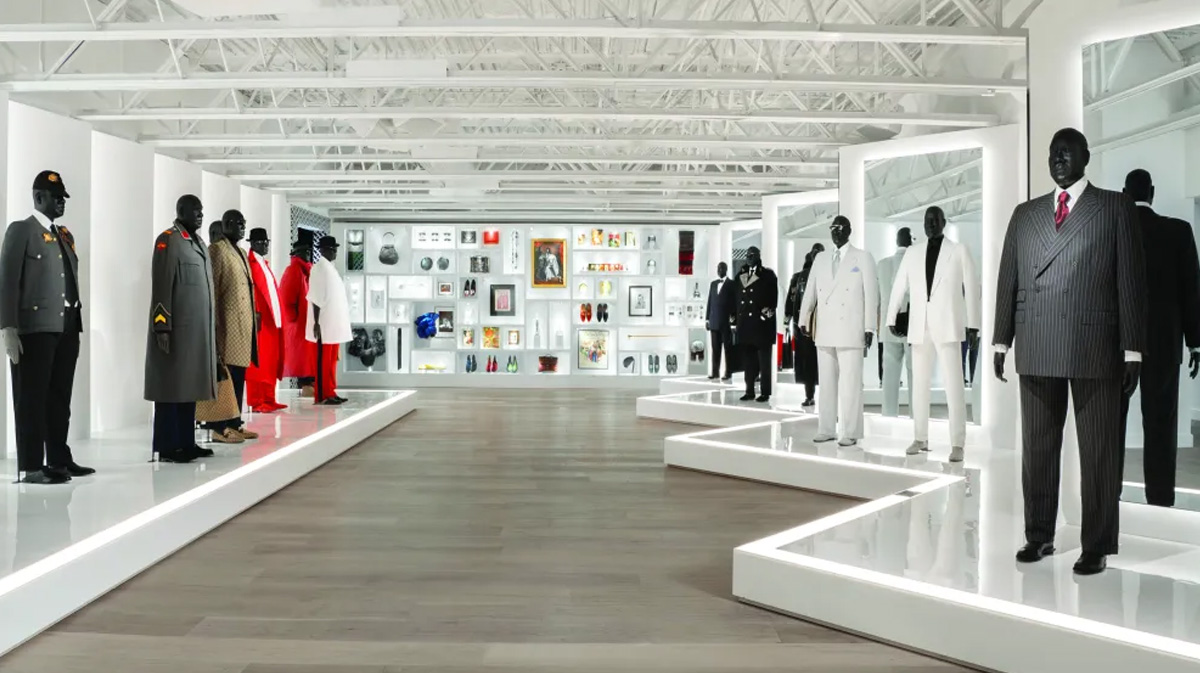
The life and influence of André Leon Talley are being honored through a remarkable exhibition that explores the extraordinary career of one of fashion’s most iconic and influential figures. Talley, known for his towering physical presence, eloquent speech, and dramatic personal style, left an indelible mark on the global fashion industry. The exhibition presents an immersive journey through his life, highlighting his contributions as a journalist, editor, historian, and cultural ambassador. Through carefully curated garments, photographs, manuscripts, and multimedia installations, visitors are invited to explore the story of a man who transformed the way fashion is discussed, documented, and understood.
Talley’s career spanned more than four decades and intersected with nearly every major moment in modern fashion history. His long and influential relationship with Vogue placed him at the center of the fashion publishing world, where he served as creative director and editor-at-large. In these roles, Talley became one of the most recognizable voices interpreting fashion for a global audience. The exhibition examines how his work at the magazine helped shape the visual language of fashion journalism and elevated editorial storytelling to an art form.
One of the central themes explored throughout the exhibition is Talley’s deep understanding of fashion as a form of cultural expression. For him, clothing was never simply about trends or seasonal collections. Instead, he viewed fashion as a reflection of history, art, politics, and identity. The exhibition demonstrates how Talley’s writing and commentary brought intellectual depth to the fashion world, helping audiences see garments not just as objects but as symbols of creativity and cultural change.
Talley’s early life played a crucial role in shaping his unique perspective on beauty and elegance. He was born in Washington but spent much of his childhood in Durham, where he was raised by his grandmother. In the segregated South of the mid-twentieth century, Talley developed an early fascination with fashion magazines and glamorous imagery that offered glimpses into a world far removed from his everyday surroundings. The exhibition thoughtfully recreates this period of his life, illustrating how imagination and determination helped him envision a future within an industry that initially seemed inaccessible.
Education became an important pathway toward that future. Talley attended Brown University, where he pursued graduate studies in French literature and culture. His academic training deepened his appreciation for European art, history, and language—interests that would later shape his understanding of haute couture. The exhibition includes personal notes, photographs, and documents from this period, demonstrating how Talley’s intellectual curiosity formed the foundation for his career in fashion journalism.
A turning point in Talley’s professional life came when he began working with the legendary editor Diana Vreeland. Vreeland, who had served as editor-in-chief of Vogue and later became a celebrated curator at the Metropolitan Museum of Art, recognized Talley’s extraordinary eye for style and storytelling. Under her mentorship, he learned how fashion could be presented as both spectacle and scholarship. The exhibition highlights their professional relationship, showing how Vreeland’s influence helped launch Talley into the upper ranks of the fashion world.
As Talley’s career progressed, he developed close relationships with many of the most influential designers of the twentieth century. Among them was Yves Saint Laurent, whose groundbreaking designs redefined modern elegance. Talley admired Saint Laurent not only for his artistry but also for his courage in challenging traditional ideas about gender, beauty, and cultural influence within fashion.
Another major figure in Talley’s circle was Karl Lagerfeld, the creative force behind numerous legendary collections. Talley and Lagerfeld shared a friendship built on mutual respect, intellectual curiosity, and a deep appreciation for fashion history. The exhibition features photographs, letters, and personal anecdotes that illustrate the warmth and creative energy of their relationship.
“I don’t live for fashion. I live for style.”
Talley’s professional journey also included a long collaboration with Anna Wintour, the influential editor-in-chief of Vogue. Together they shaped the magazine’s editorial direction during a transformative era in fashion publishing. The exhibition examines how their partnership helped bring new voices, styles, and perspectives into the pages of the magazine.
One of the most visually striking aspects of the exhibition is the display of Talley’s own clothing. Known for his dramatic capes, luxurious fabrics, and regal silhouettes, Talley approached personal style as a form of storytelling. Each garment he wore communicated confidence, creativity, and cultural pride.
Many of the garments on display were designed by world-renowned designers who admired Talley’s influence and friendship. These pieces illustrate the collaborative relationship between fashion editors and designers, revealing how Talley’s presence often inspired new creative ideas.
Photography plays a significant role throughout the exhibition. Images taken by leading fashion photographers capture Talley at runway shows, editorial shoots, and glamorous cultural events. These photographs document not only his career but also the vibrant world of fashion during its most dynamic decades.
The photographs reveal Talley as both observer and participant within the fashion industry. While he often wrote about designers and collections, he himself became a recognizable figure within fashion culture, known for his commanding voice and distinctive style.
Video installations allow visitors to hear Talley speak about fashion, art, and history in his own words. His eloquence and passion for storytelling made him one of the most compelling commentators in the industry. Listening to his reflections offers deeper insight into his intellectual approach to fashion.
Talley’s influence extended beyond print journalism into television and popular culture. He served as a judge and mentor on the reality competition series America’s Next Top Model, where his commentary introduced a new generation of viewers to his refined sense of style and elegance.
Through these appearances, Talley helped demystify aspects of the fashion industry while still emphasizing the discipline and creativity required to succeed within it. His warmth, humor, and authority made him a memorable presence on screen.
The exhibition also highlights Talley’s historic role as one of the most prominent Black figures in the global fashion industry. At a time when representation within fashion media was limited, Talley’s success challenged long-standing barriers and created new possibilities for future generations.
His presence in elite fashion circles demonstrated that talent, knowledge, and determination could overcome many of the industry’s traditional exclusions. The exhibition explores how his achievements inspired countless aspiring journalists, stylists, and designers.
Talley was also known for championing emerging designers and artists. Throughout his career he used his platform to spotlight new creative voices, helping to shape the careers of individuals who would later become influential figures in their own right.
Another important theme within the exhibition is Talley’s deep love of history. He often referenced art, literature, architecture, and historical costume when discussing modern fashion, demonstrating that style is always connected to broader cultural traditions.
The exhibition’s design reflects Talley’s own appreciation for drama and grandeur. Elegant displays, dramatic lighting, and richly colored backdrops create an atmosphere that mirrors the spectacle of haute couture.
Curators worked extensively with Talley’s personal archives to assemble the exhibition. Letters, manuscripts, photographs, and personal memorabilia reveal a more intimate portrait of the man behind the public persona.
These materials offer insight into Talley’s private passions, intellectual curiosity, and enduring commitment to the world of fashion. They remind visitors that his achievements were built on both creativity and rigorous scholarship.
Ultimately, the exhibition serves as a tribute to a visionary whose influence reshaped fashion journalism and cultural commentary. André Leon Talley’s voice and legacy continue to resonate throughout the industry he helped transform.
By walking through the exhibition, visitors gain a deeper appreciation for the ways in which one individual’s passion for beauty, storytelling, and history can leave a lasting impact on culture around the world.

Fashion
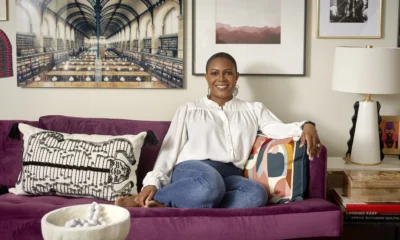
Bold Spatial Vision
I was absolutely tired of working for someone else after so many hours in corporate… I decided to put all the energy and time I was putting toward someone else toward myself instead.
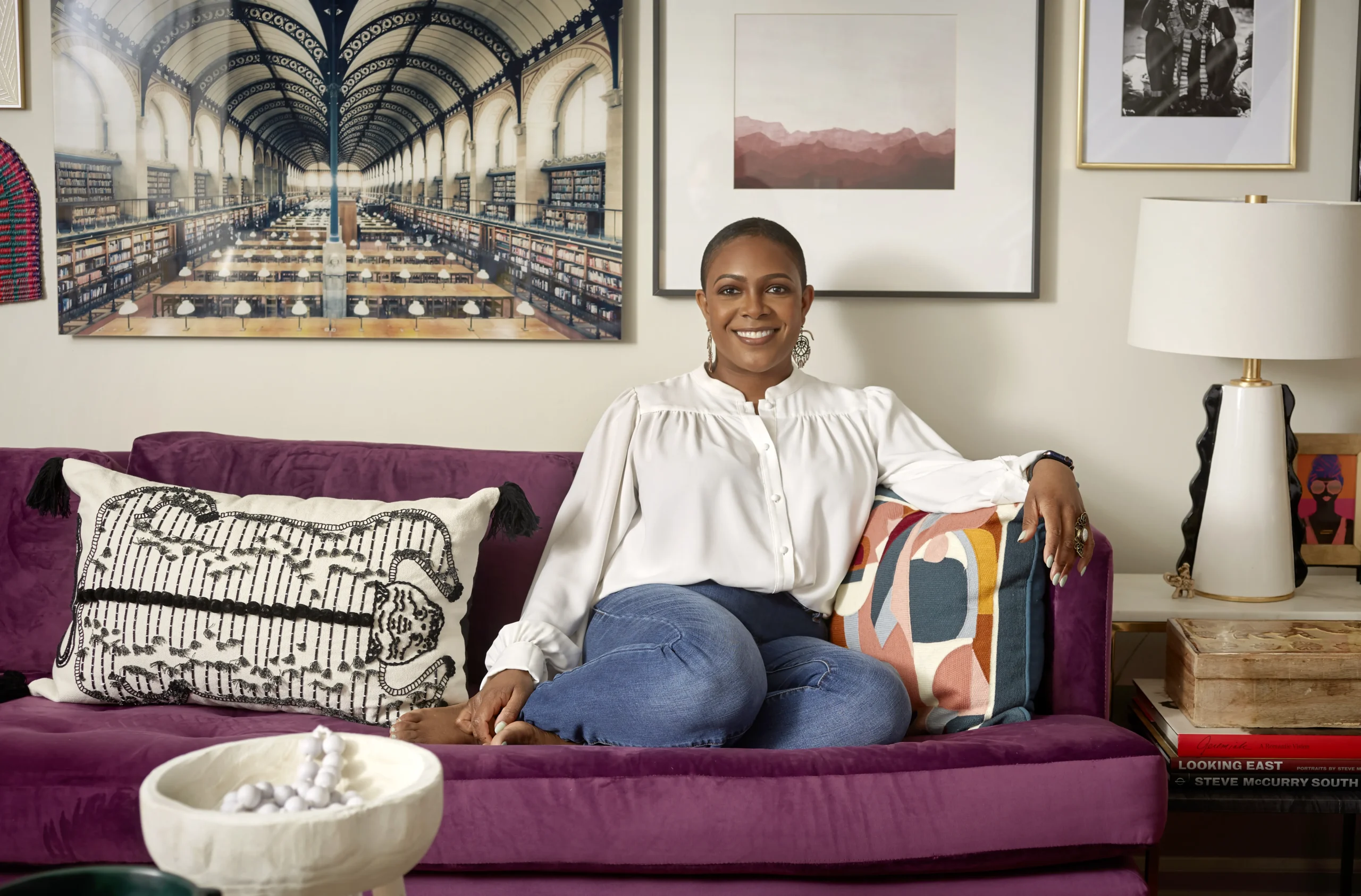
Beth Diana Smith has become one of the most compelling voices in contemporary interior design, known for spaces that feel both richly curated and intimately personal. As the founder, CEO, and principal designer of Beth Diana Smith Interior Design, she brings a practiced eye and bold aesthetic to every project she undertakes. With a background that spans corporate finance to creative leadership, Smith has transformed how clients and critics alike think about the connection between design and daily life.
Her journey into design was not straightforward. After more than a decade in accounting and finance at companies such as Viacom and Johnson & Johnson, Smith felt compelled to pursue her creative instincts full-time. What some might perceive as an unlikely transition—moving from finance into interior design—actually became the foundation of her distinctive approach to practice.
Smith’s design philosophy is rooted in the idea that environments should do more than just look good—they should elevate the everyday experience of those who inhabit them. Each space she creates is thoughtfully considered, blending visual richness with comfort and functionality. Her signature style is modern and eclectic, often characterized by layered textures, vibrant color play, and custom furnishings that feel like installed art pieces rather than mere decor.
She holds advanced training in design, having earned credentials from the New York School of Interior Design, and also holds a Master of Science degree from Seton Hall University. Her academic background complements her innate creative talents, allowing her to manage complex projects with both analytical skill and artistic intuition.
Smith’s work extends well beyond her home base in New Jersey; she serves clients in New York, the Tri-State area, and beyond. Whether tackling full-service residential design or e-design consultations, she uses her expertise to help individuals hone their personal style while creating spaces that inspire and enhance their lifestyles.
Her creative process is deeply collaborative. She often begins with an in-depth consultation to understand a client’s needs, desires, and how they actually live within their environment. From there, she curates every detail—art, pattern, color, and finish—into a cohesive story that reflects the essence of the homeowner.
Over the years, her work has been featured in numerous respected publications, including House Beautiful, Elle Decor, Real Simple, The Wall Street Journal, and Business of Home, among others. These features highlight not only her considerable design talent but also her influence in an industry increasingly welcoming diverse voices and perspectives.
Smith is also a founding member of the Black Artists + Designers Guild, an organization dedicated to amplifying the work of Black creatives in the design world. Through this leadership role, she continues to advocate for inclusion and equitable representation in spaces that have historically lacked diversity.
Her aesthetic sensibility is informed by both visual harmony and bold expression. Whether working with calming grays or rich green velvets, Smith understands how to balance serenity with visual dynamism. This ability to mix tranquil foundations with impactful accents has become a hallmark of her work.
This philosophy of balance—between bold and serene, form and function—extends into the way she manages her firm. Smith emphasizes client-centric design, ensuring that each project not only reflects her artistic vision but also responds meaningfully to the lifestyles and stories of those who live there.
“She often begins with an in-depth consultation to understand a client’s needs, desires, and how they actually live within their environment.”
Smith’s influence is also recognized through her roles on industry councils. She has served on the House Beautiful Advisory Council and is an associate member of the American Society of Interior Designers, shaping both design discourse and professional standards.
Projects by Smith often become conversation starters, spaces where bold decisions feel purposeful rather than chaotic. From unexpected wallpapered ceilings to vibrant material mixes, her interiors invite exploration and discovery rather than simple admiration.
Her approach to design—melding lived experience with visual storytelling—also reflects a broader cultural sensitivity. She frequently incorporates elements that honor diverse influences, ensuring that her spaces feel relevant, evocative, and deeply personal.
Beth Diana Smith’s trajectory showcases how a nontraditional entry into a creative profession can become a defining strength. Her grounding in finance gives her an operational edge, while her artistic instincts give her work its emotional depth.
Her achievements—both creative and entrepreneurial—underscore her belief that spaces should not only be beautiful but transformative. Through her work, she demonstrates how thoughtful design can elevate the way people live, feel, and interact with their surroundings.
Today, Smith’s influence continues to grow as she sets a standard for what inclusive, expressive, and human-centered design can look like in the modern era. Her commitment to storytelling through space, combined with her dynamic use of color, pattern, and texture, positions her as a leading voice in the design community.
Beth Diana Smith’s work ultimately reminds us that design is more than aesthetics—it’s a means of shaping how we experience the world, one thoughtfully curated room at a time.
Fashion
Tailoring Legacy Style Identity Power Presence
When Lewis Hamilton first learned that the Metropolitan Museum of Art would center a major exhibition on Black dandyism, the moment landed with a weight that was both cultural and deeply personal.
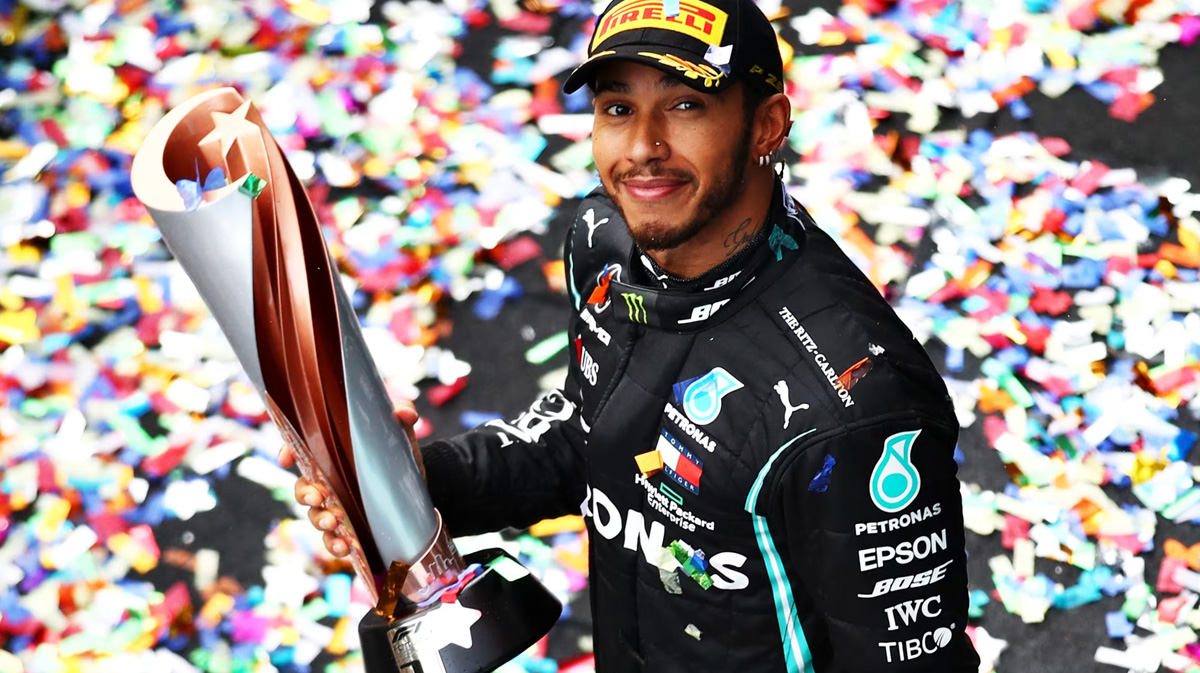
When Lewis Hamilton first learned that the Metropolitan Museum of Art would center a major exhibition on Black dandyism, the moment landed with a weight that was both cultural and deeply personal. By 2025, as a co-chair of the Met Gala and one of the most recognizable athletes on the planet, Hamilton wasn’t just attending—he was helping shape the narrative. The exhibition, Superfine: Tailoring Black Style, signaled a long-overdue acknowledgment that Black men’s fashion has never simply followed trends; it has created them, refined them, and used them as a language of identity, resistance, and pride.
For Hamilton, the idea of Black dandyism goes far beyond aesthetics or luxury. It represents generations of men who understood that clothing could be armor as much as art—an intentional presentation of self in a world that often attempts to define you first. Tailoring, detail, and elegance become tools of self-authorship, allowing Black men to reclaim narrative and project dignity, even in environments where they were historically denied both. This is the deeper meaning that resonates with him and fuels his connection to the theme.
That awareness didn’t come from privilege or early access. Growing up in Stevenage, England, Hamilton’s world was far removed from elite fashion houses or museum exhibitions. There were no nearby institutions showcasing cultural history, no curated spaces where fashion was discussed as art. Instead, inspiration had to be pieced together through fragments—television screens, magazine pages, and fleeting images that hinted at a larger world beyond his immediate surroundings.
Those fragments became foundational. Hamilton studied style with the same intensity he applied to racing—observing how icons carried themselves, how posture, confidence, and detail transformed clothing into statement. He wasn’t just looking at what people wore; he was decoding why it mattered. In those observations, he began to understand that style could communicate power, individuality, and intention without a single word being spoken.
At home, however, the expectations were rooted in something more traditional and protective. His father emphasized discipline, structure, and presentation as a reflection of character. For many Black families, appearance is not just about expression—it’s about safety, respectability, and navigating a world that can be unforgiving. Those lessons instilled pride, but they also created boundaries that Hamilton would later feel compelled to push beyond.
Outside of that structure, he began experimenting with identity in quiet but meaningful ways. There were days when he would leave home dressed in a way that aligned with expectations—neat, controlled, acceptable—only to pull over shortly after and change into something entirely different. Baggy silhouettes, bold combinations, pieces that reflected the energy he absorbed from music and street culture. It wasn’t rebellion for its own sake; it was a search for authenticity.
Those transformations became more than just outfit changes—they were acts of self-discovery. In those moments, Hamilton experienced a different kind of confidence, one that came not from approval but from alignment with who he felt he truly was. Yet the ritual of changing back before returning home revealed the tension he carried: the need to exist in multiple spaces, balancing expectation with expression.
That duality followed him into his professional life, where the stakes were significantly higher. Entering Formula 1 as a young driver, Hamilton stepped into a culture steeped in tradition and conformity. The expectation was clear—team kits, tailored suits, and a uniformity that left little room for individuality. In such a rigid environment, personal style was not just discouraged; it was almost nonexistent.
Hamilton has often reflected on how restrictive that period felt, not just physically but emotionally. Fashion, for him, had already become a key part of identity, and being confined to prescribed looks felt like a suppression of self. Yet, like many entering elite spaces, he understood the unspoken rule: first earn your place, then challenge the system.
For a time, he complied with those expectations, focusing on performance and proving his worth on the track. But as his career accelerated—marked by dominance, precision, and historic success—so did his awareness that authenticity could no longer be postponed. The cost of fitting in began to outweigh the benefits of acceptance.
With success came leverage, and Hamilton used it deliberately. As a seven-time world champion, he reached a level where his voice—and his presence—could no longer be easily dismissed. That’s when the shift began. He made a conscious decision to show up as himself, fully and unapologetically, regardless of tradition or criticism.
Arriving at races in bold, fashion-forward looks, Hamilton redefined what it meant to be an athlete in the paddock. He blurred the line between sport and style, turning walk-ins into statements and appearances into moments of cultural relevance. Each outfit became a conversation, a challenge to the idea that athletes should exist within narrow definitions of identity.
The reaction was immediate and, at times, polarizing. Critics questioned his choices, traditionalists resisted the change, and some dismissed it as distraction. But disruption has always been a precursor to evolution. Hamilton understood that shifting culture requires persistence, and he remained consistent in his expression despite the noise.
Over time, the resistance softened, and the influence became undeniable. Other drivers began to explore their own sense of style, showing up with intention and individuality. What was once considered out of place became part of the culture. Hamilton hadn’t just changed his own image—he had expanded the boundaries of the sport itself.
His impact now extends far beyond racing. Hamilton has become a bridge between industries, seamlessly connecting sport, fashion, and activism into a unified identity. Whether collaborating with designers, appearing in global campaigns, or advocating for diversity, he continues to redefine what influence looks like in the modern era.
The Met Gala represents the pinnacle of that intersection. Since his first appearance in 2015, Hamilton’s presence has evolved from attendee to architect of meaningful moments. Each year, his approach has become more intentional, more layered, and more connected to a broader cultural message.
In 2021, he made a defining statement by purchasing a table and inviting emerging Black designers to showcase their work. It was a strategic move rooted in access and visibility, ensuring that the spotlight extended beyond himself. That decision transformed a personal milestone into a collective opportunity, amplifying voices that might otherwise have been overlooked.
By 2025, as a co-chair, Hamilton’s influence reached new heights. The theme of Black dandyism aligned perfectly with his ongoing mission to celebrate heritage while pushing culture forward. His presence was not just symbolic—it was active, shaping how the theme was interpreted and experienced on a global stage.
His look that year reflected a deep level of research and intentionality. Drawing inspiration from historical figures like Cab Calloway and James Baldwin, Hamilton crafted an ensemble that connected past and present. Every detail carried meaning, from the tailoring to the accessories, forming a visual narrative rooted in legacy.
What made the moment resonate wasn’t just the craftsmanship—it was the purpose behind it. Hamilton used the platform to reinforce the idea that fashion can be both personal and political, a means of storytelling that challenges perception and reclaims identity.
That philosophy is grounded in a broader reality he often acknowledges: Black men are frequently held to higher standards, expected to exceed expectations just to be recognized as equal. This pressure has shaped generations, fostering resilience while also demanding constant excellence.
Now, in 2026, Hamilton enters a new chapter with Scuderia Ferrari, one of the most iconic teams in motorsport history. The move represents more than a career transition—it’s a reinvention, a willingness to evolve even at the height of legacy. It underscores his belief that growth doesn’t end with achievement.
Even in this new phase, his influence remains unwavering. Whether stepping out in a meticulously styled look or stepping into a new racing environment, Hamilton continues to challenge expectations and expand definitions of what it means to lead.
When he looks at archival images of Black men—the very images celebrated in the Met exhibition—he sees continuity. Elegance, precision, and pride are not new; they are inherited. They are part of a lineage that has always understood the power of presentation.
That lineage informs every decision he makes today. Each appearance, each outfit, each carefully considered detail contributes to a larger narrative about ownership, identity, and cultural legacy. Nothing is accidental; everything is intentional.
For Hamilton, fashion is inseparable from legacy. It is how history is carried forward, reinterpreted, and made visible in contemporary spaces. It allows him to honor the past while actively shaping the future.
And this moment—defined by visibility, recognition, and influence—is not случайный. It is the result of generations who refused to be erased, who insisted on being seen, and who used style as a form of resistance and affirmation.
So whether he is stepping onto the Met Gala carpet or into a new era with Ferrari, Hamilton does so with clarity of purpose. He is not just showing up—he is making a statement about identity, power, and presence.
Because Black style has never been a trend. It is a foundation. It is a language. And through figures like Lewis Hamilton, it continues to evolve—tailored, refined, and unapologetically bold.
Fashion
The Face That Redefined Beauty
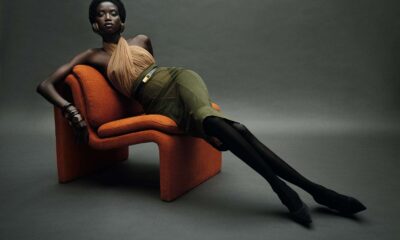
Anok Yai did not enter the fashion world quietly. She arrived like a revelation.
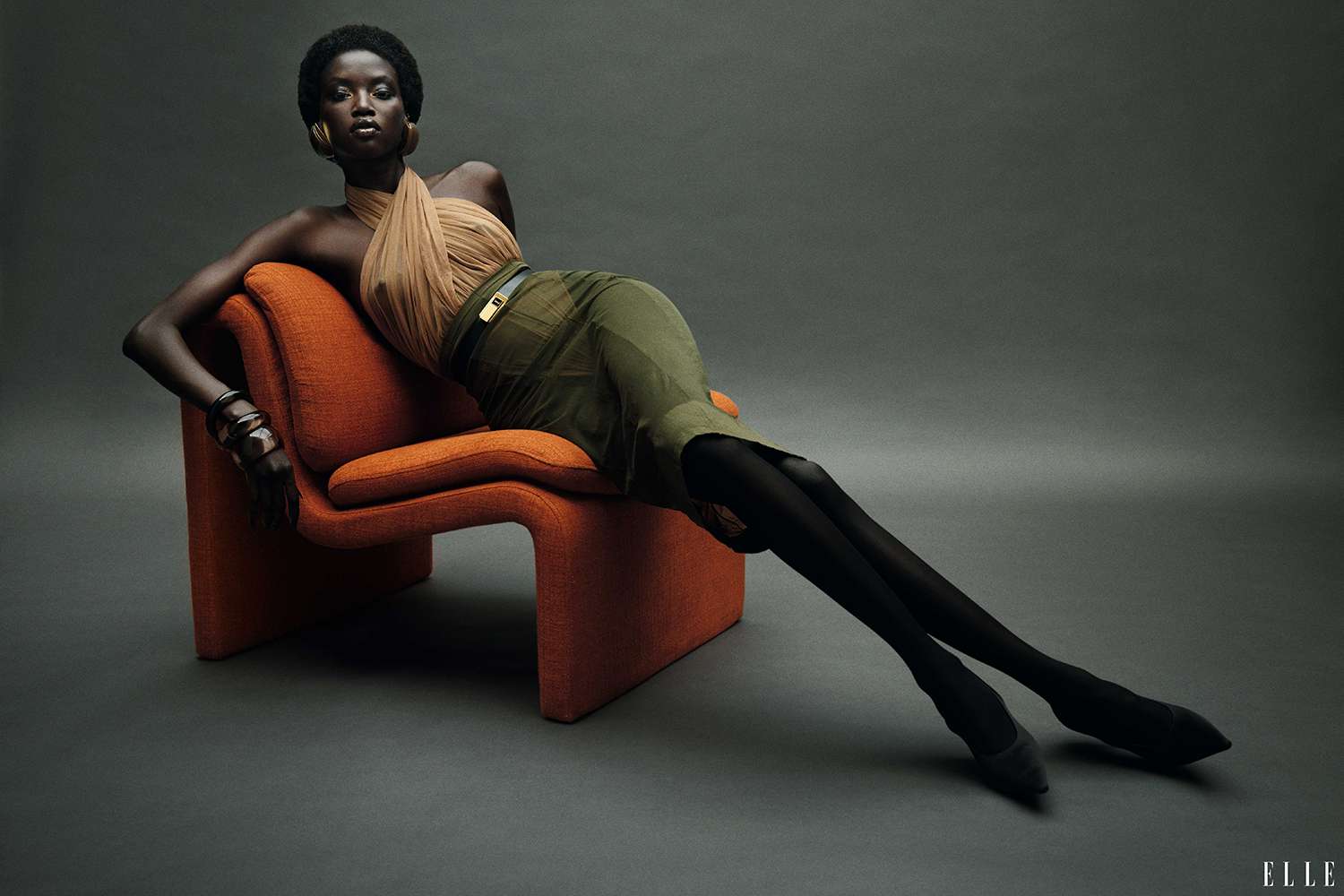
Anok Yai did not enter the fashion world quietly. She arrived like a revelation. One photograph—taken casually at a college homecoming—traveled across the internet with the speed of recognition. People weren’t just admiring her beauty; they were witnessing a shift. In her deep, luminous complexion, her sculpted features, and her steady gaze, many saw something the industry had long neglected to center. She was not an anomaly. She was a reminder.
Born in Cairo to South Sudanese parents and raised in New Hampshire, Anok’s life has always been shaped by movement across borders. That journey—geographical, cultural, and personal—gave her a perspective that feels grounded and expansive at once. She understands what it means to be seen as different, to carry histories and identities that don’t always fit neatly into boxes. And that awareness follows her onto every runway and into every campaign.
Her rise was swift but not accidental. After that viral photograph, agencies called, designers took notice, and within a remarkably short time, Anok Yai became one of the most in-demand models in the world. But what made her ascent extraordinary was not just the speed; it was the symbolism. She became one of the first dark-skinned models in decades to open a major European fashion house show. That moment was more than a career milestone. It was a cultural statement.
“I want little Black girls to see me and know they belong here too.”
In an industry that has often treated diversity as seasonal rather than essential, Anok’s presence feels permanent. She does not blend into the background of fashion imagery. She commands it. Designers style her in metallics, jewel tones, and dramatic silhouettes that seem to glow against her skin. Photographers linger on her profile as if studying sculpture. Yet through it all, she carries herself with a quiet composure that feels almost regal.
What makes Anok compelling is the contrast between her public image and her private demeanor. On the runway, she is fierce, angular, and unapproachable in the most captivating way. Off the runway, interviews reveal someone thoughtful, soft-spoken, and reflective. She speaks about her career with gratitude but also with an awareness of the responsibility that visibility brings.
Her beauty, often described in superlatives, has forced the fashion world to confront its own narrow standards. For decades, dark skin was marginalized, rarely centered in high fashion spaces unless framed as exotic or editorially “other.” Anok’s success disrupts that narrative. She is not presented as a novelty. She is presented as the standard.
“Representation is not a trend. It’s a correction.”
This correction is visible in the ripple effects of her career. More dark-skinned models have followed, more campaigns feature a broader spectrum of beauty, and conversations about colorism have moved from whispers to headlines. Anok did not start these conversations, but her prominence has amplified them in undeniable ways.
Her journey is also deeply tied to her identity as the daughter of refugees. She has spoken about her family’s migration, about the resilience required to build a life in unfamiliar places. That history gives her success an added layer of meaning. Each runway she walks carries not just her own ambition, but the dreams of those who came before her.
Despite the glamour that surrounds her, Anok remains grounded in the reality of what modeling can and cannot offer. She is candid about the pressures of the industry—the long hours, the scrutiny, the expectation to be visually flawless at all times. Yet she navigates those pressures with a sense of self that feels intact. She does not allow the industry to define her worth; she uses it as a platform to expand it.
“Duis aute irure dolor in reprehenderit in voluptate velit esse cillum dolore eu fugiat”
There is power in that remembrance. It allows her to move through elite spaces without being consumed by them. It keeps her connected to her roots, to her family, and to the communities that see themselves reflected in her success.
Anok’s impact also extends beyond the runway into the realm of imagery and imagination. For many, seeing her in luxury campaigns, magazine covers, and couture shows has reshaped what beauty looks like in their minds. She has become a reference point, a visual affirmation that dark skin is not something to be corrected, softened, or hidden. It is something to be illuminated.
Fashion, at its best, is about storytelling through visuals. Anok Yai has become one of its most powerful storytellers without ever saying a word on the runway. Her walk is deliberate, her gaze unwavering, her presence unforgettable. She turns garments into statements simply by wearing them.
As her career continues to evolve, Anok shows interest in using her voice more directly. She has hinted at aspirations beyond modeling, at wanting to engage in advocacy and creative pursuits that allow her to shape narratives rather than simply embody them. It’s a natural progression for someone who understands the weight of representation as deeply as she does.
For young girls scrolling through social media, flipping through magazines, or watching fashion shows online, Anok represents a new kind of possibility. She stands as proof that beauty is not confined to one shade, one feature set, or one cultural background. She is evidence that the world is learning, slowly but surely, to widen its lens.
Anok Yai did not just redefine beauty by existing. She redefined it by being seen, repeatedly, unapologetically, and at the highest levels of an industry built on image. In doing so, she has helped shift the visual language of fashion toward something more honest, more inclusive, and more reflective of the world we actually live in.
Her face is more than a muse for designers. It is a symbol of change, resilience, and quiet revolution. And every time she steps onto a runway, she carries that revolution forward—one powerful, graceful step at a time.There is power in that remembrance. It allows her to move through elite spaces without being consumed by them. It keeps her connected to her roots, to her family, and to the communities that see themselves reflected in her success.
Anok’s impact also extends beyond the runway into the realm of imagery and imagination. For many, seeing her in luxury campaigns, magazine covers, and couture shows has reshaped what beauty looks like in their minds. She has become a reference point, a visual affirmation that dark skin is not something to be corrected, softened, or hidden. It is something to be illuminated.
Fashion, at its best, is about storytelling through visuals. Anok Yai has become one of its most powerful storytellers without ever saying a word on the runway. Her walk is deliberate, her gaze unwavering, her presence unforgettable. She turns garments into statements simply by wearing them.
As her career continues to evolve, Anok shows interest in using her voice more directly. She has hinted at aspirations beyond modeling, at wanting to engage in advocacy and creative pursuits that allow her to shape narratives rather than simply embody them. It’s a natural progression for someone who understands the weight of representation as deeply as she does.
For young girls scrolling through social media, flipping through magazines, or watching fashion shows online, Anok represents a new kind of possibility. She stands as proof that beauty is not confined to one shade, one feature set, or one cultural background. She is evidence that the world is learning, slowly but surely, to widen its lens.
Anok Yai did not just redefine beauty by existing. She redefined it by being seen, repeatedly, unapologetically, and at the highest levels of an industry built on image. In doing so, she has helped shift the visual language of fashion toward something more honest, more inclusive, and more reflective of the world we actually live in.
Her face is more than a muse for designers. It is a symbol of change, resilience, and quiet revolution. And every time she steps onto a runway, she carries that revolution forward—one powerful, graceful step at a time.
Fashion
Global Denim Honors Black Creativity
Brooklyn-based Haitian-American artist Daveed Baptiste looked to Caribbean landscapes to inform his pieces, imbuing the collection with movement and texture.
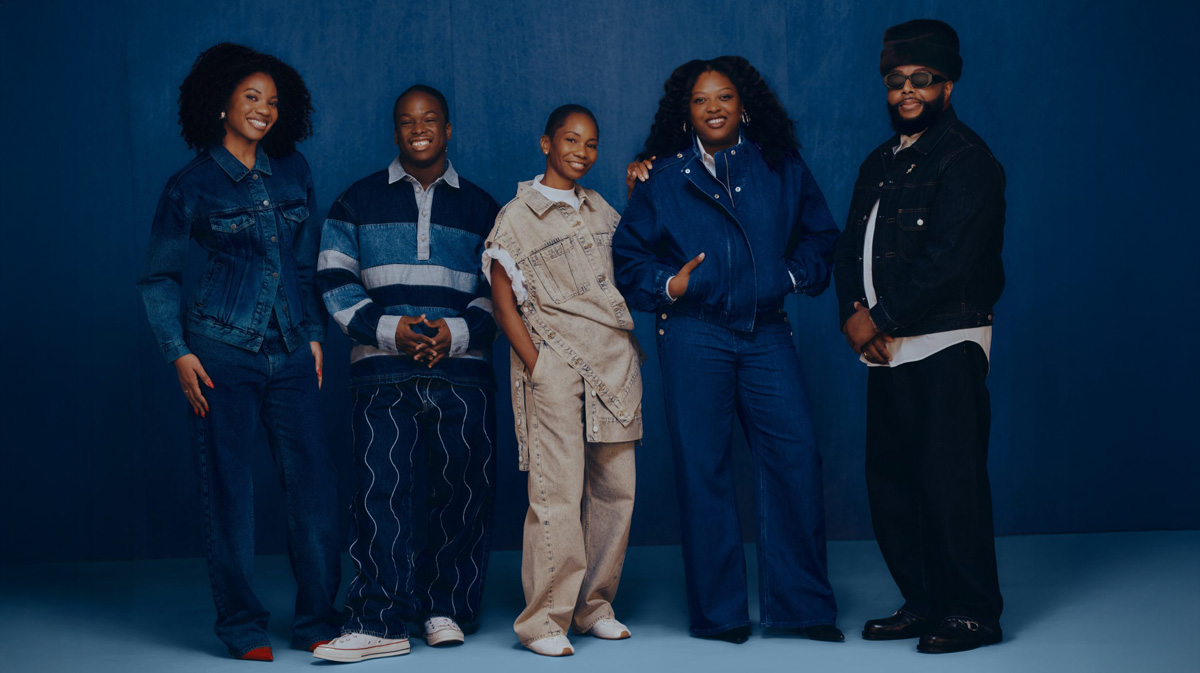
Gap and Harlem’s Fashion Row have reunited for a second capsule collection, launching a 20-piece denim line that merges New York Fashion Week excitement with Black History Month celebration. The collaboration centers Black designers and repositions classic denim as a canvas for cultural storytelling and creative expression.
Five designers of color—Daveed Baptiste, LaTouché, Igdaliah Pickering, Waina Chancy, and Nicole Benefield—were tapped to reinterpret Gap’s iconic denim. Each brought their own aesthetic language and personal history, yielding silhouettes that move beyond basics into statement-making, emotionally resonant pieces.
As the group developed their four-piece capsules, a shared symbol unexpectedly surfaced: the hibiscus flower. For four of the five Caribbean-born designers, the hibiscus carries deep cultural meaning tied to beauty, grace, spirituality, and ancestral connection.
Designer Igdaliah Pickering noted how organically the motif emerged across the collection, emphasizing that their collective pull toward the hibiscus underscored a common cultural thread. The flower ultimately became a unifying design language running throughout many of the garments.
Brooklyn-based Haitian-American artist Daveed Baptiste looked to Caribbean landscapes to inform his pieces, imbuing the collection with movement and texture. One standout is a bomber-style jacket covered in intricate ocean-inspired embroidery that flows across the entire silhouette like water.
LaTouché, known for sharp tailoring, focused on structure and longevity, crafting pieces meant to live in wardrobes for years. He envisioned garments that his daughters could wear 15 years from now, turning this collection into a future nostalgia touchpoint.
Caribbean heritage also strongly influenced the work of Pickering and Waina Chancy of Atelier Ndigo. Their designs weave hibiscus motifs into embroidery and button details, and use teal tones to evoke the sea and coastal vistas of home.
Nicole Benefield approached the project by filtering her signature aesthetic through a denim lens, rethinking everyday staples. Her pieces feature unexpected elements like asymmetrical draping and apron-style tops that refresh familiar forms without sacrificing wearability.
Now in its second year, the Gap x Harlem’s Fashion Row partnership leans into Gap’s broader mission of bridging divides through creativity, inclusion, and human connection. Denim functions here as a universal wardrobe pillar that becomes more powerful when reshaped by diverse voices and global perspectives.
The collaboration also reinforces Harlem’s Fashion Row’s role as a platform that amplifies Black and Brown designers and pushes for greater equity within fashion. By aligning with a mainstream brand, the group helps move underrepresented talent from the margins to the center of the commercial conversation.
Designer Waina Chancy praised Gap’s team for balancing the designers’ big ideas with brand realities and customer needs. She described the experience as collaborative and affirming rather than limiting, with room for creative risks within a global retail framework.
For Chancy, the project carried an extra layer of meaning because one of her first jobs after high school was at a Gap store. Returning as a collaborator on a major collection felt like a full-circle moment that validated her evolution from store associate to designer.
The partnership extends beyond aesthetics, offering real visibility and scale for the designers involved. At a time when Black perspectives remain underrepresented in mainstream fashion, this collection intentionally places them at the forefront and celebrates milestones like Baptiste’s CFDA Empowered Vision Award recognition.
By spotlighting how denim can shift when guided by diverse creative leadership, Gap and Harlem’s Fashion Row model what inclusive, culturally grounded fashion collaborations can look like. The collection suggests that meaningful representation can coexist with broad commercial reach and global distribution.
The 20-piece range is priced between $98 and $148 and is available online at gap.com and in select U.S. stores, including The Grove, Chestnut Street, Aventura, and Times Square. It also reaches international markets such as Japan, Greece, Turkey, the Middle East, the UK, and the Czech Republic, extending the impact of these designers’ visions worldwide.
Fashion
New New York Woman Rising
Rachel Scott, founder of Diotima and newly appointed designer at Proenza Schouler, is positioning herself not to build a gigantic brand but to upend fashion’s status quo from within a conservative industry.
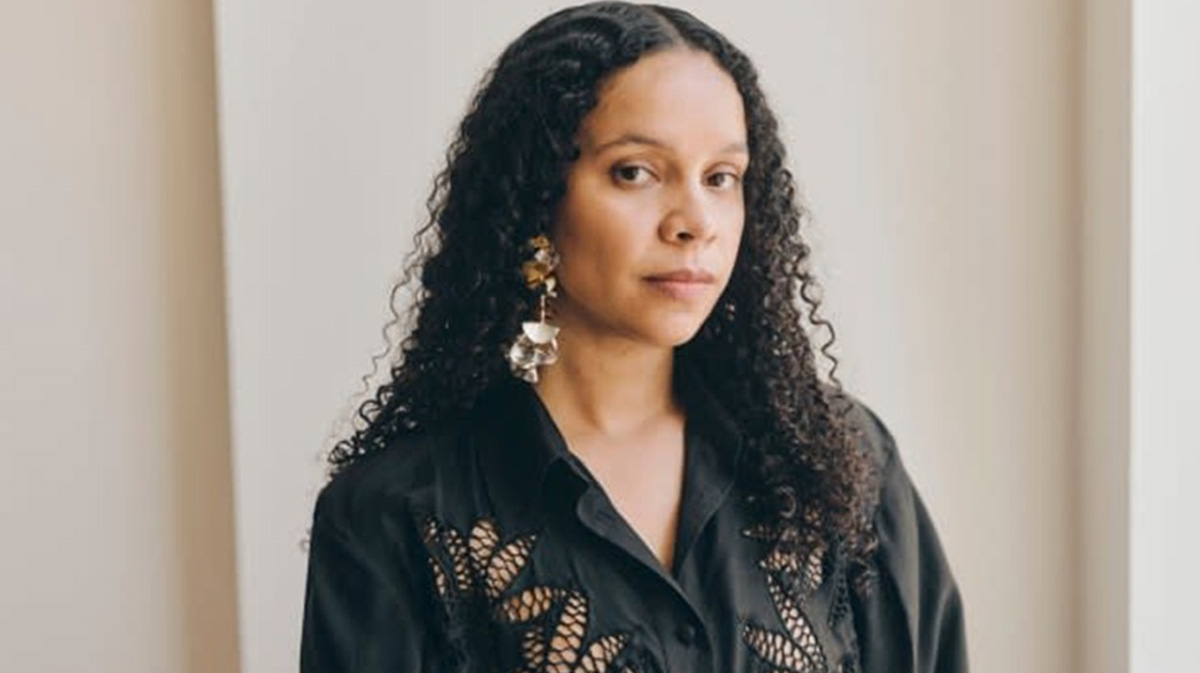
Rachel Scott, founder of Diotima and newly appointed designer at Proenza Schouler, is positioning herself not to build a gigantic brand but to upend fashion’s status quo from within a conservative industry. Fresh off major prizes from the CFDA and recognition from LVMH and Vogue, she met Anna Wintour and accepted that her independent label would never rival the biggest businesses in size, redirecting her ambitions toward cultural impact instead. Her goal at Proenza Schouler is to reclaim what a New York brand can be and who gets to define it, using clothes as a subtle form of political and social intervention rather than overt activism.
Scott, who identifies as an immigrant, Black, queer woman with a disability, stands in stark contrast to the mostly white male designers who have recently filled top creative roles at big houses amid an industry slowdown and consumer backlash over prices. Taking over a label once synonymous with the uptown‑downtown gallery scene, she intends to prove she can grow Proenza to a globally competitive level while running Diotima, and at the same time rethink what New York fashion represents. For her, fashion mirrors a world that has veered rightward, and she sees herself as an insurgent carving out meaning in a space that is resistant to change.
Since formally assuming control of Proenza Schouler in summer 2025, Scott has barely had time to move into the SoHo office once occupied by founders Jack McCollough and Lazaro Hernandez; their books and even a wilting cactus still linger as evidence of a transition in progress. She jokes that “the mess is mine,” lugging makeup, fabric swatches, notebooks and a copy of Hélène Cixous’s “The Book of Promethea” in her Phoebe Philo tote as she lives between the Proenza workspace and her Diotima studio on Canal Street. The physical strain of commuting between the two studios underscores her “show bunker” mentality as she prepares her first Proenza collection under intense scrutiny as the New York shows’ opening act.
Though she technically lives in Brooklyn with her wife, gender‑justice advocate Chaday Emmanuel, Scott is effectively camped out at the office as Fashion Week approaches. Emmanuel notes that Scott’s days, once already long, now stretch late into the night, reflecting the dual demands of running both a heritage label and an insurgent independent brand. For Diotima, Scott is collaborating with the estate of Cuban artist Wifredo Lam, while her Proenza work draws instead on dense feminist and philosophical references, signaling two distinct but complementary creative temperaments.
Scott characterizes Diotima as visceral and Proenza as cerebral: one rooted in craft and Caribbean heritage, the other in theory and structure. For the Proenza debut, she immersed herself in feminist texts like Luce Irigaray’s “Speculum of the Other Woman” and Pasolini’s film “Teorema,” mining them for ideas about desire, power and the hidden lives of bourgeois women. In conversation, she exudes calm but also an unyielding resolve, suggesting that once she commits to a project she becomes all but immovable.
Her path to this moment began in Jamaica, where her father designed furniture and her mother worked as a flight attendant for Air Jamaica while running a boutique in Kingston. As a teenager, Scott used a portable Singer sewing machine to make “tiny skirts and triangle bikinis” for clubbing, not out of a childhood dream of becoming a designer but out of a practical need for clothes she actually wanted to wear. Later, at Colgate University, she double‑majored in fine arts and French literature and bonded with future Diotima strategist Shinae Lee, already thinking about how to place Jamaica at the center of her creative life.
Initially, Scott flirted with a career in magazines, inspired by Italian Vogue, but an internship at Vogue changed her mind when a fleeting hallway encounter with Wintour left her feeling out of place. She pivoted to design school at Istituto Marangoni in Milan, then moved through a series of fashion jobs at Costume National, J. Mendel and Elizabeth and James before landing an eight‑year stint with indie New York designer Rachel Comey. The pandemic triggered what she calls an existential crisis: as an immigrant, she had spent her life chasing security, but COVID convinced her that security was an illusion and she needed work that made each day feel meaningful.
Scott became a U.S. citizen in 2020 and soon after founded Diotima, a label that elevates traditional Jamaican crochet to the level of French lace and treats Jamaican craftspeople as core artistic collaborators. She frames the brand as an “anti‑imperialist project” that shifts fashion’s center of value away from Europe and toward the Caribbean, despite fears about how the industry might react. Early support, including orders by 2021 and a partnership with stylist Marika‑Ella Ames, helped prove there was a market for a Jamaica‑forward vision that transcended clichés about rum, Bob Marley and colorful shacks.
Financing Diotima largely through prize money, Scott still recognized she needed a more stable revenue stream to grow, which made the Proenza role appealing as both an economic and creative platform. At Proenza she can explore ideas that sit outside Diotima’s specific cultural mandate, testing a broader vocabulary that still keeps craft at its core. She insists that everything she designs should carry a “touch of the hand,” a visible or tactile trace of human labor and artistry that resists fashion’s tendency to flatten and mass‑produce.
Scott is explicit in her critique of how many white male designers imagine women, arguing that they reduce female identity to narrow archetypes: sexy, proper, uptight or flashy, but rarely complex. She counters with her own vision of the 2026 New York woman as globally minded, precise but resistant to the tyranny of perfection, and full of private, unexpected passions, like a buttoned‑up professional who quietly fences in her spare time. Her Proenza silhouettes reflect this character: office‑ready but slightly off‑kilter, with raised waists to lengthen legs and knit skirt suits that read formal yet relaxed rather than stiff.
“Scott is explicit in her critique of how many white male designers imagine women, arguing that they reduce female identity to narrow archetypes: sexy, proper, uptight or flashy, but rarely complex.”
Personally, Scott rejects restrictive structures like corsets and gravitates toward designs that embed ease and play within polish. She favors bell‑bottom trousers with sailor‑style buttons that open to flash a bit of leg, dramatically pointy shoes or square‑toed pumps that comically mash up clownish exaggeration and career polish, and slim evening bags that are actually large enough to hold essentials but derive their glamour from texture rather than ornamentation. She wears her own work, as do her mother and her wife, embodying the idea that her clothes must function in real lives, not just on runways.
To understand the Proenza customer, Scott met a group of “V.I.C.s” at a December dinner, including a Pilates instructor, a retired lawyer, a writer and several art advisers, reinforcing the brand’s long‑standing connection to the art world. Rather than lean on art as mood‑board inspiration, she became interested in the women who make and curate it, name‑checking figures like painters Cecily Brown and Rita Ackermann and curator Samantha Ozer as muses. This focus on actual cultural producers, not abstract artworks, shapes a collection built around thinking, working women whose clothes must move seamlessly between studios, offices and openings.
Scott is also putting those women directly on the runway by casting figures such as psychoanalyst Jamieson Webster and writer Zoe Dubno alongside professional models. She is including the 50‑something Jamaican model Romae Gordon, recently coaxed out of retirement, to expand fashion’s narrow age norms and connect the show back to her Caribbean roots. In the audience, she expects a brainy, art‑world crowd—Studio Museum in Harlem director Thelma Golden, Cyberfeminism Index creator Mindy Seu, gallerist Bridget Donahue—mirroring the intellectual community she imagines wearing the clothes.
Ultimately, Scott wants to dress women who are powerful and put together without being self‑serious, women whose inner lives are as elaborate as their schedules. Through Proenza Schouler and Diotima, she is trying to rewrite not just how New York looks on the runway but how it understands the complexity of its own womanhood. The article frames her debut as a test of whether a Black, queer, disabled immigrant designer can redefine a major American house and, with it, the image of the New New York woman.

Roots Of Defiant African Resistance

A Voice Rising With Purpose

Poetry At The Cosmic Edge




-

 Sports9 months ago
Grace, Grit, Gold on Ice
-

 Entertainment8 months ago
Serena Williams Super Bowl LX Commercial ‘Healthier on Ro’
-
 Fashion8 months ago
The Face That Redefined Beauty
-
 Business8 months ago
Curl Fest is Back
-

 Culture7 months ago
The Return of Chrisette Michele
-
 Culture8 months ago
Patterns of Systemic Black Destabilization
-
 Business9 years ago
Charles White: Art and Human Dignity
-
 Fashion7 months ago
Bold Spatial Vision