
Culture
Brown Pointe Shoes, Bold Dreams
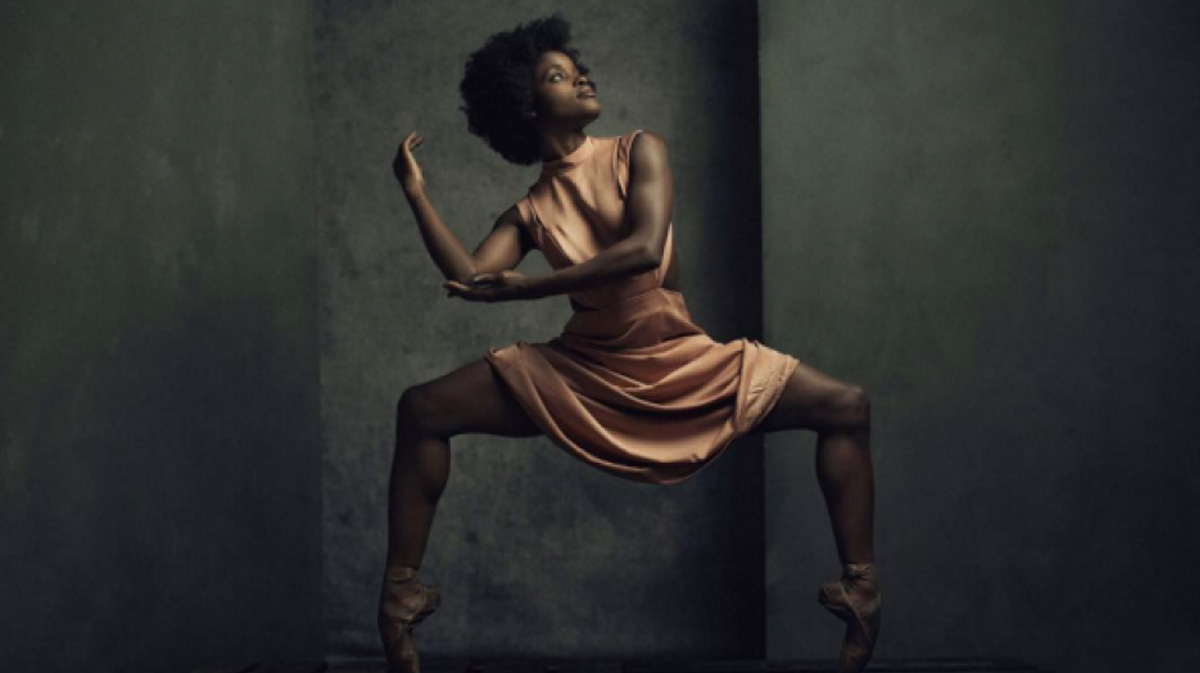
Ingrid Silva laced up her pointe shoes in a shade that was never meant for her. The satin was pink—soft, traditional, unquestioned.

For nearly a decade, Brazilian-born ballet dancer Ingrid Silva laced up her pointe shoes in a shade that was never meant for her. The satin was pink—soft, traditional, unquestioned. It was the color ballet had decided was “neutral,” a pale blush that presumed a single kind of body, a single kind of beauty, a single kind of belonging.
And then she arrived at Dance Theatre of Harlem—and everything changed.
More than fifty years ago, long before diversity became a corporate buzzword or a social media slogan, the company’s artistic leadership made a radical, culture-shifting decision: dancers would wear tights and shoes that matched their own skin tones. Brown. Bronze. Caramel. Cocoa. The spectrum of Blackness and beyond. What seems obvious now was revolutionary then. In a world that insisted ballet was delicate, European, and pale, Dance Theatre of Harlem declared that our hues were not deviations from the art form—they were its future.
The story begins in grief and resolve. In 1969, reeling from the assassination of Martin Luther King Jr., trailblazing dancer and choreographer Arthur Mitchell responded not with silence, but with vision. As the first Black principal dancer with New York City Ballet, Mitchell knew intimately what it meant to stand alone in rooms not built for you. He understood the isolation of excellence without inclusion. So he returned to Harlem with a belief both audacious and tender: ballet could be a tool of transformation. It could be discipline and dream. It could be art and activism. It could be a stage for social justice.
And so he built something unprecedented.
Dance Theatre of Harlem was never just a company. It was a declaration. A love letter to Black children who had never seen themselves in tutus. A rebuttal to the myth that classical art belonged only to a narrow slice of the world. A reminder that beauty expands when we do.
Decades later, Ingrid Silva would walk into that legacy.
I discovered the company through friends, but I fell in love through Ingrid’s Instagram feed. In a digital world crowded with curated perfection, her posts feel like windows flung open. There she is in rehearsal, muscles taut and luminous. There she is backstage, breath suspended before the curtain rises. There she is on tour, cradling her toddler daughter Laura between fittings and flights, reminding us that motherhood and mastery are not opposites.
And then there are the shoes.
Carefully dyed to match her skin tone, Ingrid’s pointe shoes are more than accessories. They are affirmation. In ballet, shoes are meant to elongate the leg, to create a seamless line from hip to toe. For dancers of color, pink shoes have long disrupted that line, a visual reminder that the standard was never set with us in mind. Dancers would pancake their tights with makeup, hand-dye their shoes in kitchen sinks, or simply endure the dissonance.
At Dance Theatre of Harlem, the dissonance dissolves.
“When you know who you are, you are free.”
Seeing Ingrid glide—piquéing and pirouetting through Harlem streets, across American stages, and around the globe—feels like witnessing possibility in motion. Even for those of us who cannot tell a jeté from a grand plié, she translates the language of ballet into something universal. Her artistry says: You belong here. Your body belongs here. Your brownness belongs here.
There is something deeply spiritual about that.
Because representation in ballet is not simply about casting. It is about reimagining the foundation. It is about interrogating who gets to define “classical,” who is permitted delicacy, who is seen as ethereal. For generations, Black dancers were told—explicitly and implicitly—that their musculature was too strong, their curves too pronounced, their skin too dark to embody the romantic heroines of Giselle or Swan Lake. They were asked to shrink, to blend, to mute.
Dance Theatre of Harlem answered with expansion.
The company tours nationally and internationally, carrying its singular presence into spaces that once resisted it. It has become a beacon in the ballet world—proof that excellence and equity are not competing values but complementary ones. On its stages, you see a powerful vision for 21st-century ballet: technically rigorous, culturally rooted, unapologetically inclusive.
And in Ingrid’s story, that vision feels personal.
As a Brazilian woman navigating American ballet, she brings layered identities to every role. Immigrant. Artist. Mother. Black woman. Each performance is not just choreography but testimony. When she steps onto the stage in shoes that mirror her skin, she is not assimilating into tradition; she is reshaping it.
What moves me most is how seamlessly the extraordinary and the everyday coexist in her world. One moment she is suspended in a perfect arabesque, spine elongated like a question mark stretching toward heaven. The next, she is laughing with Laura in a dressing room, adjusting tiny headphones over toddler curls. This is what legacy looks like in real time: a child growing up in the wings of a revolution that began before she was born.
For those of us watching from afar—those who may never don pointe shoes or take a ballet class—Ingrid’s journey still feels intimate. She opens the blinds on new windows, inviting us to reconsider the art forms we once thought were closed to us. She makes ballet less remote, less rarefied. She reminds us that discipline can be joyful, that tradition can be disrupted, that beauty can look like us.
In a culture that often demands we contort ourselves to fit inherited molds, there is quiet power in something as simple as dyeing a shoe. It is a small act with seismic implications. It says: I will not disappear to make you comfortable. I will not dilute myself to be deemed elegant. I will meet the stage as I am.
Arthur Mitchell planted that seed in 1969, imagining a ballet company blooming in Harlem soil. Today, dancers like Ingrid Silva carry it forward—across oceans, across timelines, across generations.
And somewhere, in a studio washed with afternoon light, a young brown girl is tying her own ribbons, looking down at shoes the color of her skin. She does not yet know the history stitched into the satin. She only knows that when she rises to pointe, the line is unbroken.
And so is she.










Culture
Blues Vision Across Every Border
Taj Mahal, on the verge of turning 84, treats music as a daily calling rather than a career phase, insisting he could easily make “an album a day” if freed from economic pressure.
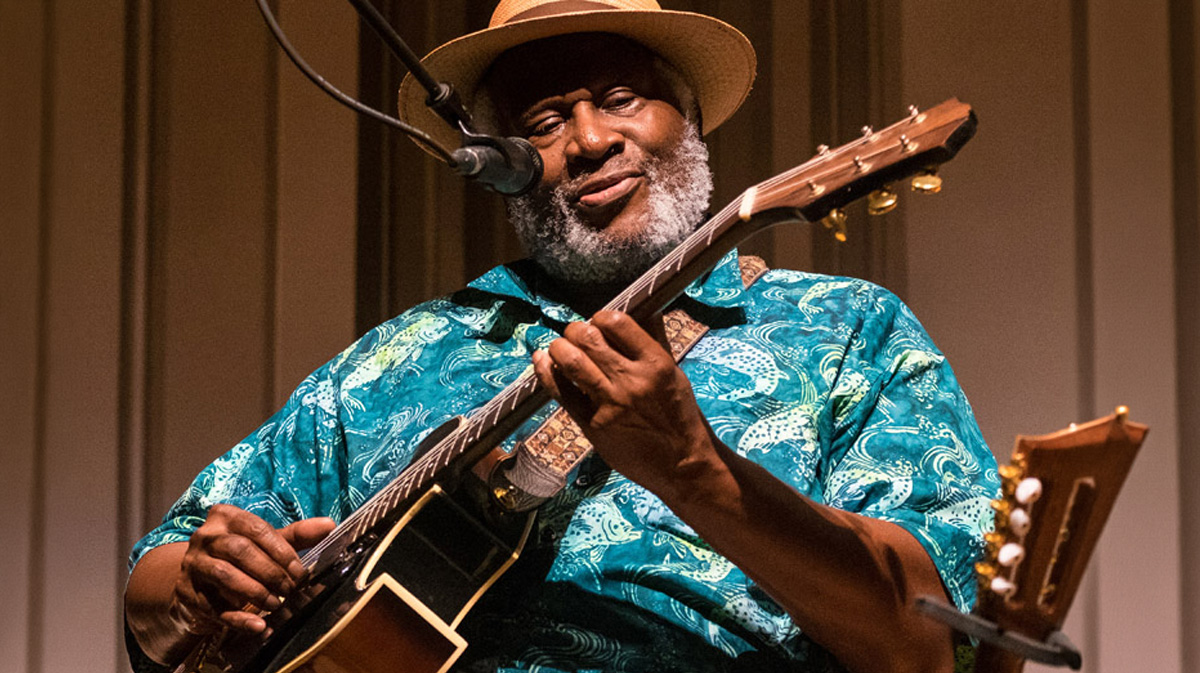
Taj Mahal, on the verge of turning 84, treats music as a daily calling rather than a career phase, insisting he could easily make “an album a day” if freed from economic pressure. His outlook underlines an artist who refuses to slow down, seeing his late life not as a winding down but as the most expansive stretch of his creative path.
From the start, he has rooted himself in the blues while insisting that this music is inseparable from a global story of people, movement and exchange. He describes blues as an enduring collision between West and East in the Mississippi Delta, something you can never “chew all the flavor out of,” positioning it as a permanent fact of life rather than a retro style.
Mahal’s vision of the blues has never been museum-bound; it has always been diasporic, reaching toward India, Hawaii, Jamaica, Mali, Zanzibar and beyond. “My sweep is global,” he says, a simple phrase that explains decades of collaborations in which he treats every culture touched by Africa as part of his extended musical family.
The article situates him back in Greenwich Village, near where the young Henry St. Clair Fredericks Jr. hitched in from Massachusetts with a guitar and a thumb, soaking up the 1960s folk revival. Now, dressed in an African-style suit, cap, bandanna and shades, he embodies a continuity between that era’s experimentation and his current, still-restless approach.
His new album, “Time,” recorded with his longtime Phantom Blues Band, becomes the latest chapter in this ongoing journey. Built around a previously unreleased Bill Withers song that reassures “time will see you through,” the record swirls blues, Memphis soul, salsa, reggae with Ziggy Marley, and especially New Orleans R&B into a relaxed, good-time blend.
Mahal uses Withers’s story to critique the way corporations tried to meddle with an already successful artist, demanding background singers, synths and trend-chasing arrangements. He admires Withers’s refusal to bow to those pressures, seeing a cautionary tale about how non-musicians try to dictate the sound of music.
Even as he promotes “Time,” Mahal is looking backward and forward at once, preparing an expanded reissue of his 1999 album “Kulanjan,” made with Toumani Diabaté and Malian musicians. That project, which braided his blues with West African griot traditions, felt to him like closing a 500-year loop, returning borrowed musical elements to their ancestral home and hearing them instantly recognized.
The piece also traces the origins of his global ear to his own household and neighborhood in Springfield, Massachusetts. Caribbean and Southern Black influences mingled with Jewish, Armenian, Polish and Sicilian neighbors, while his father’s shortwave radio opened a portal to Hawaiian slide guitar that filled “every single molecule” of his being.
College at the University of Massachusetts widened that horizon further, introducing him to the voice of Egyptian icon Umm Kulthum and to the idea that a vast “musical aquifer” existed beyond record company categories. Moving to California to work with a teenage Ry Cooder, he soon landed at Columbia Records, where he pushed past straight revivalism with bold gestures like four-tuba horn sections and reimagined pop tunes.
When major labels and Mahal parted ways by the late 1970s, he simply reoriented rather than retreated. He built a sprawling catalog on independent and international labels and sustained himself on the road like a modern griot, crisscrossing some 85 countries without relying on radio hits.
Along the way he has juggled countless ensembles and ideas: solo shows on multiple instruments, small groups, Hawaiian Hula Blues, a swing band, an International Rhythm Band, and even unreleased tracks with rappers. His partnership with Keb Mo’ as TajMo, which Keb describes as a master-disciple relationship, shows how Mahal’s example offered younger musicians an entirely different road into blues and roots music.
The article frames Mahal’s work as implicitly political, even when his songs avoid explicit protest. For him, simply doing what he does—centering African roots, honoring colonized and Indigenous peoples, and insisting that the blues’ Black, diasporic history cannot be erased—is a statement in itself.
In conversation with producer Narada Michael Walden, Mahal distills his philosophy into a daily discipline: if you are lucky enough to arrive on this planet as a musician, you owe it to humanity to build something every day. At 83, he still considers that ongoing work a profound blessing, proof that “time” has not slowed his sweep but only broadened its reach.

Sada Mire has become one of the most important voices in modern African archaeology and cultural preservation. Known for her groundbreaking work in the Horn of Africa, she has dedicated her career to protecting history, language, memory, and identity in regions often overshadowed by war and political instability. Through her research, lectures, and humanitarian efforts, she has shown that archaeology is not simply about studying ancient ruins, but about understanding humanity itself.
Born in Somalia and later displaced by civil conflict, Mire’s personal journey deeply shaped her academic mission. After fleeing the violence that engulfed Somalia during the early 1990s, she eventually settled in Sweden, where she continued her education and developed an interest in archaeology and cultural history. Her life experience gave her a unique perspective on how war can destroy not only lives, but also the stories and cultural foundations that define a people.
Mire later pursued advanced academic studies in archaeology and heritage studies in the United Kingdom, eventually earning a doctorate from University College London. Her academic training combined scientific archaeology with anthropology, oral traditions, and indigenous knowledge systems. Rather than separating modern communities from ancient history, she emphasized the living connection between people and their ancestral heritage.
One of Mire’s greatest achievements has been her work documenting and preserving archaeological sites in Somaliland and the broader Horn of Africa. Working with local communities and researchers, she helped identify and study ancient rock art sites, burial grounds, and sacred landscapes that had been largely ignored by international scholarship. Her discoveries revealed that the region possesses a rich and sophisticated cultural history stretching back thousands of years.
Among her most celebrated discoveries was the documentation of the Dhambalin rock art site in Somaliland. The paintings found there contain images of cattle, animals, and human figures believed to be several thousand years old. These discoveries challenged outdated stereotypes about African history and demonstrated the depth of civilization and artistic expression in the Horn of Africa long before colonial contact.
As a scholar associated with Leiden University, Mire expanded her influence into global academic circles. During her time there, she taught and promoted research on endangered heritage, cultural destruction, and archaeology in conflict zones. She also became known internationally through educational programs and public lectures that connected archaeology with modern humanitarian concerns.
Mire strongly believes that cultural heritage is a basic human need. This idea became central to her academic philosophy and public advocacy. She argues that when communities lose their monuments, stories, sacred spaces, and historical memory, they also lose part of their identity and emotional stability. In regions affected by conflict, preserving heritage can therefore become an act of healing and resistance.
Her work also emphasizes the importance of indigenous knowledge. Instead of relying entirely on Western interpretations of African history, Mire listens carefully to local oral traditions, folklore, and community memory. She has repeatedly argued that local populations should not merely be subjects of research, but active participants in preserving and interpreting their own cultural heritage. This approach has helped reshape discussions within archaeology and museum studies.
Beyond academia, Mire has worked tirelessly as a humanitarian and cultural advocate. She founded organizations dedicated to preserving Somali heritage and promoting education, tourism, and community development. Her projects often combine archaeology with technology, digital archives, and educational outreach so that younger generations can reconnect with their cultural history despite displacement and conflict.
Mire has also become a respected international public intellectual. Through documentaries, interviews, TED-style talks, and major media appearances, she has brought attention to the destruction of cultural sites across Africa and the Middle East. Her voice has helped audiences understand that attacks on cultural heritage are often attacks on identity, dignity, and collective memory itself.
Another remarkable aspect of her career is her focus on peace and unity. Mire has explored how archaeology can reveal long periods of coexistence and cooperation among different religious and ethnic groups in the Horn of Africa. By studying ancient societies, she encourages people to move beyond modern divisions and rediscover histories of connection, trade, spirituality, and shared humanity.
Sada Mire represents a powerful combination of scholar, humanitarian, educator, and cultural guardian. Her work reminds the world that preserving the past is not an academic luxury, but a vital part of protecting human identity and dignity. Through her leadership and vision, she has helped ensure that the voices, histories, and memories of the Horn of Africa will continue to inspire future generations.
Culture
Streaming Energy Meets Jamaican Culture
When IShowSpeed arrived in Jamaica, the visit instantly became one of the most talked-about online travel moments of the year.

When IShowSpeed arrived in Jamaica, the visit instantly became one of the most talked-about online travel moments of the year. Known for his explosive personality, unpredictable livestreams, and nonstop enthusiasm, the young streamer brought his millions of followers along for an unforgettable adventure across the island. From crowded streets filled with cheering fans to spontaneous dances and cultural exchanges, the trip blended internet celebrity culture with the vibrant heartbeat of Jamaica.
As soon as he stepped into public spaces, crowds formed almost immediately. Young fans rushed to greet him, shouting his name and trying to appear on camera during his livestreams. What stood out most was the genuine excitement between the streamer and the people around him. Rather than staying hidden behind security, he immersed himself directly into the energy of the island, turning ordinary moments into viral entertainment.
One of the highlights of the trip was his reaction to Jamaican music and dance culture. Jamaica’s global influence on reggae, dancehall, and modern Caribbean rhythms fascinated him. Whether hearing classic reggae echoing through local neighborhoods or energetic dancehall tracks shaking speakers at gatherings, he seemed captivated by the music’s power. His animated dancing and humorous attempts to follow local moves created memorable moments that quickly spread across social media.
Food also became a major part of the experience. Throughout the trip, he sampled famous Jamaican dishes that introduced viewers to the island’s culinary traditions. From spicy jerk chicken to patties and tropical fruits, every meal became an event. His exaggerated reactions to the heat and flavor entertained audiences while also spotlighting the rich food culture that Jamaica is celebrated for worldwide.
The scenery of Jamaica added another layer of excitement to the journey. The island’s beaches, lush hillsides, colorful streets, and ocean views provided a dramatic backdrop for the livestreams. Viewers watching online were not only entertained by his antics but were also exposed to the beauty of the Caribbean environment. Moments of humor were often balanced with scenes that captured the island’s natural charm.
Another fascinating aspect of the trip was the cultural exchange between internet fame and local traditions. Jamaica has long influenced global music, fashion, sports, and language, while modern livestream culture represents a new form of worldwide entertainment. During the visit, these two worlds collided in real time. Fans who may never have traveled to Jamaica gained a closer look at daily life, expressions, and community energy through the lens of livestreaming.
The trip also revealed how globally connected online entertainment has become. IShowSpeed was recognized instantly by young people across Jamaica, showing how digital platforms have erased geographic boundaries. A creator broadcasting from the United States could walk through Kingston streets and be treated like a hometown celebrity because millions of viewers share the same online culture regardless of nationality.
Sports conversations naturally emerged during the journey as well. Jamaica’s legendary athletic tradition, especially in track and field, became part of the excitement. The island has produced internationally admired runners whose achievements inspire generations worldwide. The competitive and energetic personality that defines Speed’s content fit naturally with Jamaica’s strong sporting spirit and pride.
Humor remained at the center of nearly every interaction. Whether joking with fans, reacting dramatically to surprises, or trying to understand local slang, the streamer turned cultural discovery into entertainment. Yet beneath the chaos and comedy, viewers could also sense moments of respect and curiosity. His willingness to engage openly with local people helped create authentic exchanges instead of staged tourist moments.
The livestreams from Jamaica demonstrated how travel content has evolved in the digital age. Traditional travel shows are carefully edited and polished, but livestream culture offers immediate and unpredictable experiences. Fans watched events unfold in real time, including unexpected encounters, technical mishaps, and spontaneous adventures. This raw style made audiences feel as if they were traveling alongside him rather than simply watching a produced program.
For many Jamaican fans, the visit felt important because it placed their culture at the center of a massive international online audience. Millions of viewers who tuned into the streams saw Jamaican humor, accents, food, music, and community spirit showcased naturally. Social media clips from the trip circulated rapidly, helping spread appreciation for the island’s vibrant identity far beyond the Caribbean.
In the end, IShowSpeed’s trip to Jamaica became more than just another internet event. It was a collision of youth culture, global entertainment, music, travel, and digital connection. The journey highlighted how livestreaming can transform a simple visit into a worldwide shared experience, while also reminding audiences why Jamaica continues to inspire people across the globe with its unmatched energy and cultural influence.
Culture
Preserving America’s Jazz Musical Legacy
The Institute of Jazz Studies at Rutgers University houses one of the most extensive and historically significant jazz collections in the world.
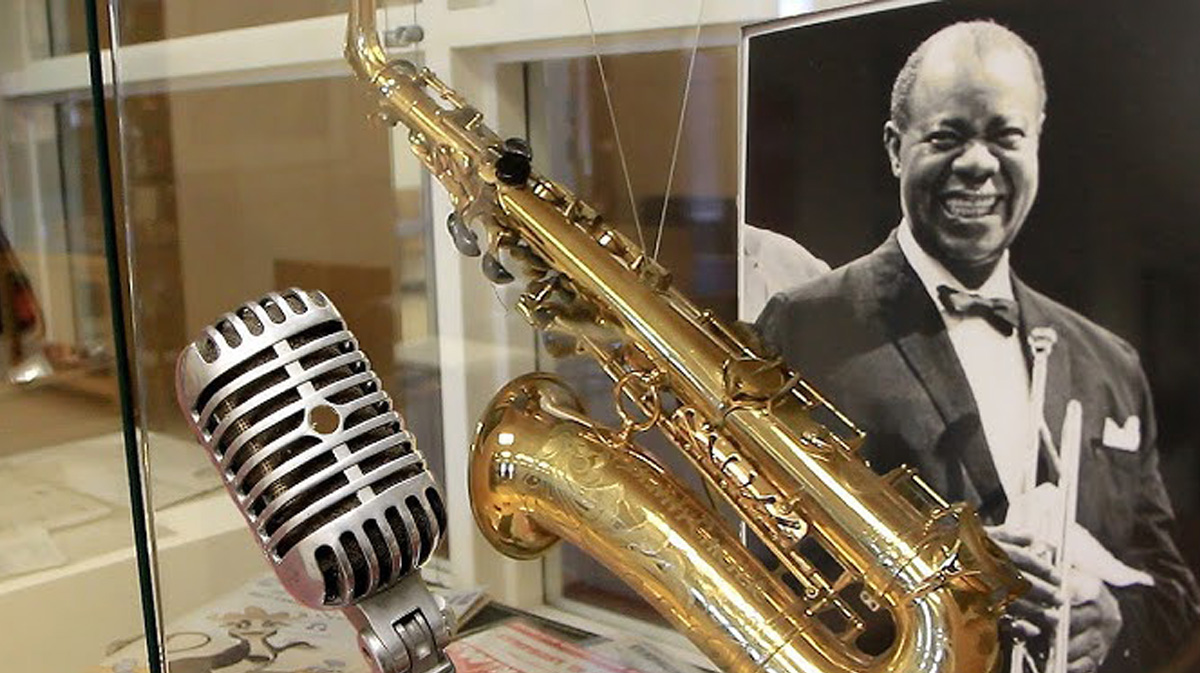
The Institute of Jazz Studies at Rutgers University houses one of the most extensive and historically significant jazz collections in the world. Located in Newark, New Jersey, it serves as a vital resource for scholars, musicians, and enthusiasts seeking to explore the rich history of jazz. Its holdings span decades of musical evolution, offering insight into the development of one of America’s most influential art forms.
Established in 1952 by jazz scholar Marshall Stearns, the collection began as a private archive dedicated to preserving jazz recordings, documents, and memorabilia. Stearns recognized early on that jazz, as a uniquely American art form, deserved serious academic study and preservation. His vision laid the foundation for what would become a globally respected institution.
In 1966, the Institute of Jazz Studies found a permanent home at Rutgers University. This move provided the resources and institutional support necessary for the collection to grow significantly. Over time, it expanded to include hundreds of thousands of recordings, photographs, manuscripts, and rare artifacts.
One of the most remarkable aspects of the collection is its vast archive of sound recordings. These include rare 78 rpm records, vinyl albums, CDs, and digital formats, documenting the evolution of jazz from its early roots to contemporary expressions. Researchers can trace stylistic shifts and innovations through these recordings, gaining a deeper understanding of the genre’s progression.
The Institute also houses an impressive array of personal papers and manuscripts from legendary musicians. Collections related to figures like Duke Ellington and Mary Lou Williams provide invaluable insight into their creative processes. These materials often include handwritten scores, correspondence, and unpublished works.
Photographic archives are another cornerstone of the collection. Thousands of images capture iconic moments in jazz history, from live performances to candid behind-the-scenes scenes. These photographs not only document the musicians themselves but also the cultural environments in which jazz flourished.
Beyond physical materials, the Institute plays an active role in promoting jazz scholarship and education. It hosts lectures, exhibitions, and public programs that engage both academic audiences and the general public. These initiatives help ensure that jazz remains a living, evolving tradition rather than a static historical artifact.
The collection is particularly valuable for students and researchers pursuing studies in music history, cultural studies, and African American history. Jazz is deeply intertwined with broader social and political movements, and the archives provide context for understanding these connections. As a result, the Institute serves as a multidisciplinary research hub.
Digitization efforts have further expanded access to the collection. By converting recordings and documents into digital formats, the Institute allows a global audience to engage with its resources. This modernization ensures that the collection remains relevant in an increasingly digital world.
The Institute of Jazz Studies also collaborates with other cultural and academic institutions. These partnerships facilitate exhibitions, research projects, and educational initiatives that extend the reach of the collection. Such collaborations reinforce its role as a central node in the global jazz community.
Importantly, the collection preserves not only the music but also the stories of the people behind it. Oral histories, interviews, and personal documents provide a human dimension to the archive. These narratives help bring the history of jazz to life, making it more accessible and meaningful.
Ultimately, the Institute of Jazz Studies at Rutgers University stands as a testament to the enduring legacy of jazz. By preserving, studying, and sharing this rich cultural heritage, it ensures that future generations can continue to learn from and be inspired by the music and its creators.
Culture
Rewriting Modern American Culinary Identity
Kwame Onwuachi has emerged as one of the most influential chefs in contemporary American cuisine, known for blending cultural storytelling with bold, innovative flavors.

Kwame Onwuachi has emerged as one of the most influential chefs in contemporary American cuisine, known for blending cultural storytelling with bold, innovative flavors. His work reflects a deep connection to his Nigerian heritage, Caribbean roots, and upbringing in the Bronx and Washington, D.C. Through his cooking, he challenges traditional definitions of fine dining and expands the narrative of what American food can be.
Onwuachi’s early life played a significant role in shaping his culinary perspective. Spending time in Nigeria as a child exposed him to rich food traditions and communal dining experiences that would later influence his approach to hospitality. These early memories of food as culture and identity continue to inform his menus and restaurant concepts.
His formal culinary training began at the prestigious Culinary Institute of America, where he honed his technical skills and developed a deeper understanding of global cuisines. This foundation provided him with the tools needed to navigate the demanding world of professional kitchens while also encouraging him to think creatively.
Onwuachi’s rise to prominence was not without setbacks. His early restaurant ventures faced challenges, including closures that tested his resilience and determination. Rather than discouraging him, these experiences became lessons that strengthened his vision and commitment to authenticity.
He gained national recognition after appearing on the television show Top Chef, where his talent and personality resonated with audiences. The platform helped introduce his culinary philosophy to a broader public and established him as a rising star in the industry.
One of his most celebrated achievements is the opening of Kith and Kin in Washington, D.C., a restaurant that showcases Afro-Caribbean cuisine. The menu draws inspiration from the African diaspora, blending flavors and techniques from multiple regions into a cohesive and compelling dining experience. This concept highlights Onwuachi’s ability to tell stories through food.
In addition to his work in restaurants, Onwuachi is also an accomplished author. His memoir, Notes from a Young Black Chef, provides an intimate look at his journey, detailing both his struggles and successes. The book offers insight into the realities of the culinary world while also serving as an प्रेरational narrative for aspiring chefs.
Onwuachi’s influence extends beyond the kitchen into broader cultural conversations. He has been a vocal advocate for diversity and equity within the restaurant industry, using his platform to address systemic issues and promote inclusivity. His leadership in this area has made him an important figure in shaping the future of hospitality.
His cooking style is characterized by bold flavors, vibrant presentations, and a deep respect for ingredients. By combining traditional techniques with modern innovation, he creates dishes that are both familiar and unexpected. This balance allows him to appeal to a wide range of diners while still maintaining a distinct voice.
Onwuachi has also received numerous accolades for his work, including recognition from major culinary organizations and publications. These honors reflect not only his skill as a chef but also his impact on the industry as a whole. His achievements continue to inspire both peers and newcomers alike.
As his career evolves, Onwuachi continues to explore new opportunities, from opening additional restaurant concepts to collaborating with other creatives. His willingness to experiment and push boundaries ensures that his work remains dynamic and relevant.
Ultimately, Kwame Onwuachi represents a new generation of culinary leaders who are redefining the industry. Through his dedication, creativity, and cultural storytelling, he is helping to reshape the narrative of American cuisine and leaving a lasting legacy.
Culture
Nourishing Justice Through Shared Stories
Dr. Ashanté M. Reese is an anthropologist, scholar, and writer whose work explores the relationship between race, food, inequality, and community survival.

Dr. Ashanté M. Reese is an anthropologist, scholar, and writer whose work explores the relationship between race, food, inequality, and community survival. She has earned recognition for studying how Black communities respond to systems that limit access to healthy and affordable food. Through research and storytelling, she highlights the dignity, creativity, and resilience found in neighborhoods too often misunderstood.
As a professor and researcher, Reese has focused on the social meaning of food beyond nutrition alone. She examines how meals, grocery stores, gardens, and kitchens reflect history, power, and identity. Her scholarship shows that food can reveal the deeper structures of society, including racism, class divisions, and public policy failures.
One of her most important books is Black Food Geographies: Race, Food Access, and Self-Reliance in Washington, D.C. In this work, Reese studies how Black residents in Washington, D.C., navigate unequal food systems. Rather than presenting communities only as victims of “food deserts,” she emphasizes how people create strategies of care and self-reliance despite barriers.
The book challenges simplistic language often used in public debates about hunger and food access. Reese argues that neighborhoods should not be reduced to maps showing scarcity. Instead, she asks readers to understand the lived experiences, knowledge, and choices of residents who know their communities deeply.
Through interviews and fieldwork, Reese documents how people travel long distances for groceries, support neighborhood businesses, share meals, and exchange resources. These acts may seem ordinary, but they represent forms of resistance and survival. Her work reveals that community wisdom often fills the gaps left by institutions.
Another key theme of Black Food Geographies is the history of Washington, D.C. Reese connects present food inequalities to displacement, segregation, and urban redevelopment. She shows that limited access to quality food did not happen by accident but emerged through political and economic decisions over time.
Her second notable book, Gather, continues her exploration of food and human connection. In this work, Reese turns attention to the importance of gathering spaces, shared meals, and the relationships formed through food practices. She illustrates how coming together can nourish both body and spirit.
Gather reflects on how people build belonging through everyday acts such as cooking, eating, talking, and caring for one another. Reese presents food not only as material necessity but also as emotional and cultural glue. Communities are strengthened when people have places to meet, share stories, and support one another.
Across both books, Reese combines academic rigor with compassion. She writes in a way that invites scholars, students, and general readers alike to think more deeply about justice. Her voice is analytical, yet grounded in respect for the people whose experiences shape her research.
Dr. Reese’s scholarship is especially valuable in conversations about public health and city planning. Policymakers often rely on statistics, but her work reminds them to listen to residents themselves. Numbers matter, yet stories reveal realities that charts cannot fully capture.
Her books also celebrate Black creativity and endurance. Even under unequal systems, communities continue to build networks of care, preserve traditions, and imagine better futures. Reese insists that these strengths deserve recognition rather than neglect.
In the end, Dr. Ashanté M. Reese has become an important voice in modern anthropology and food studies. Through Black Food Geographies and Gather, she teaches that food is tied to memory, justice, and human connection. Her work encourages readers to see meals and neighborhoods as places where dignity and transformation can grow.


Roots Of Defiant African Resistance

A Voice Rising With Purpose

Poetry At The Cosmic Edge






-

 Sports9 months ago
Grace, Grit, Gold on Ice
-

 Entertainment8 months ago
Serena Williams Super Bowl LX Commercial ‘Healthier on Ro’
-

 Fashion8 months ago
The Face That Redefined Beauty
-

 Business8 months ago
Curl Fest is Back
-

 Culture7 months ago
The Return of Chrisette Michele
-
 Culture8 months ago
Patterns of Systemic Black Destabilization
-
 Business9 years ago
Charles White: Art and Human Dignity
-
 Fashion7 months ago
Bold Spatial Vision